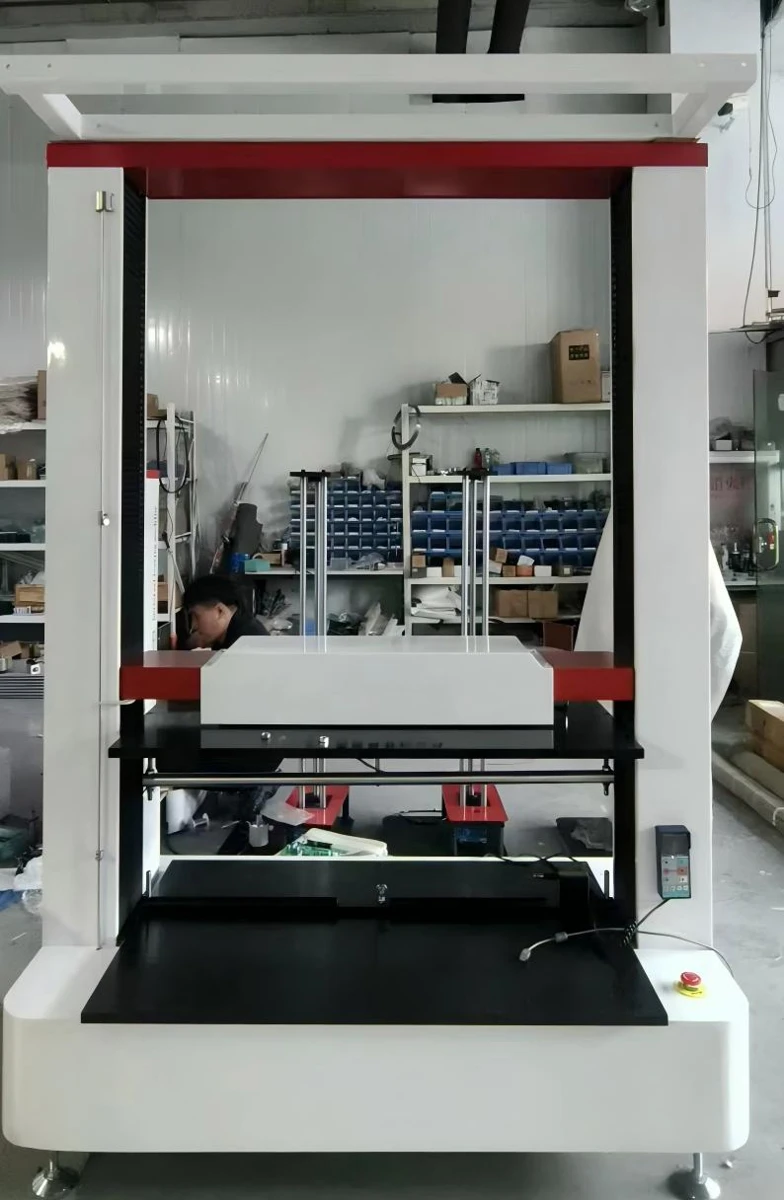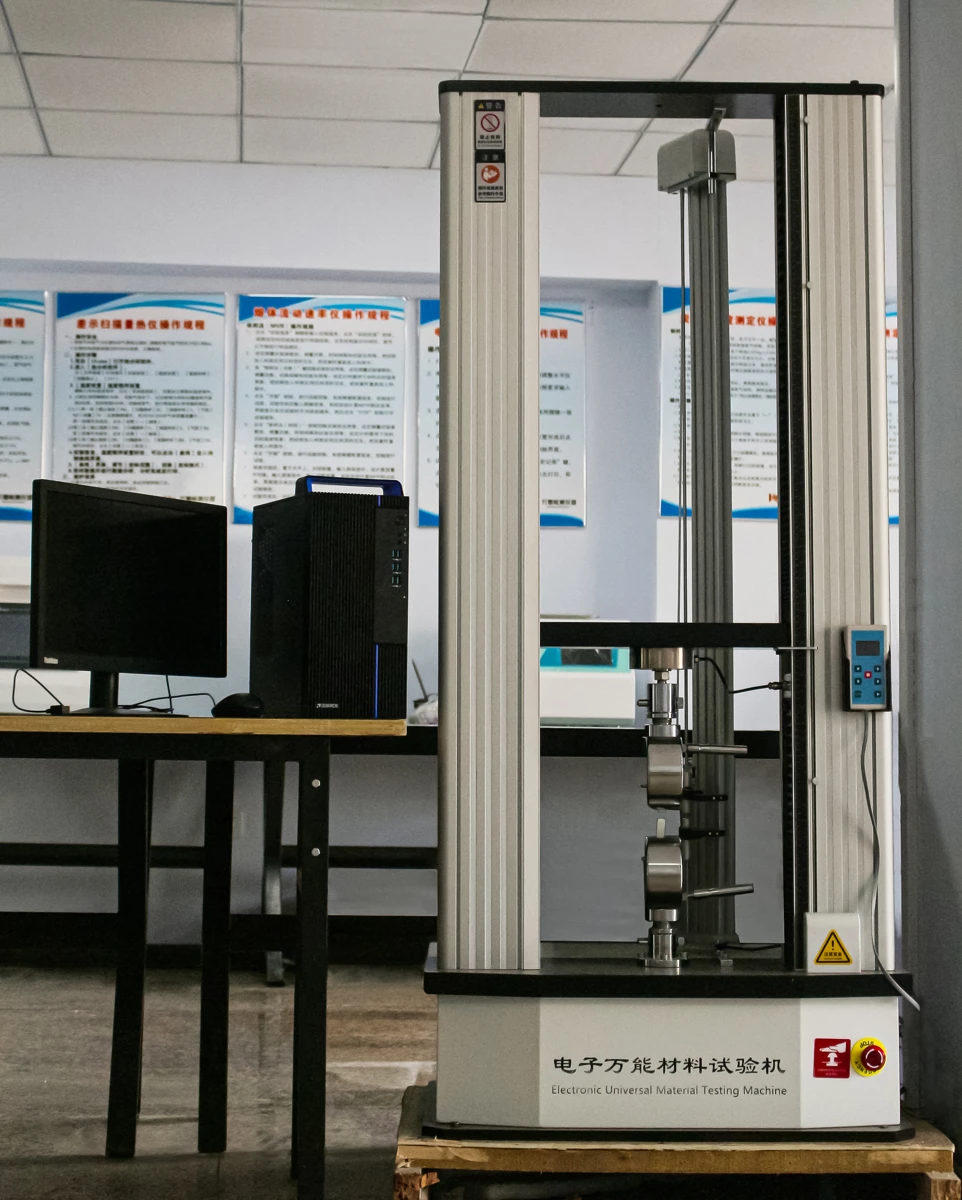
Universal testing machine
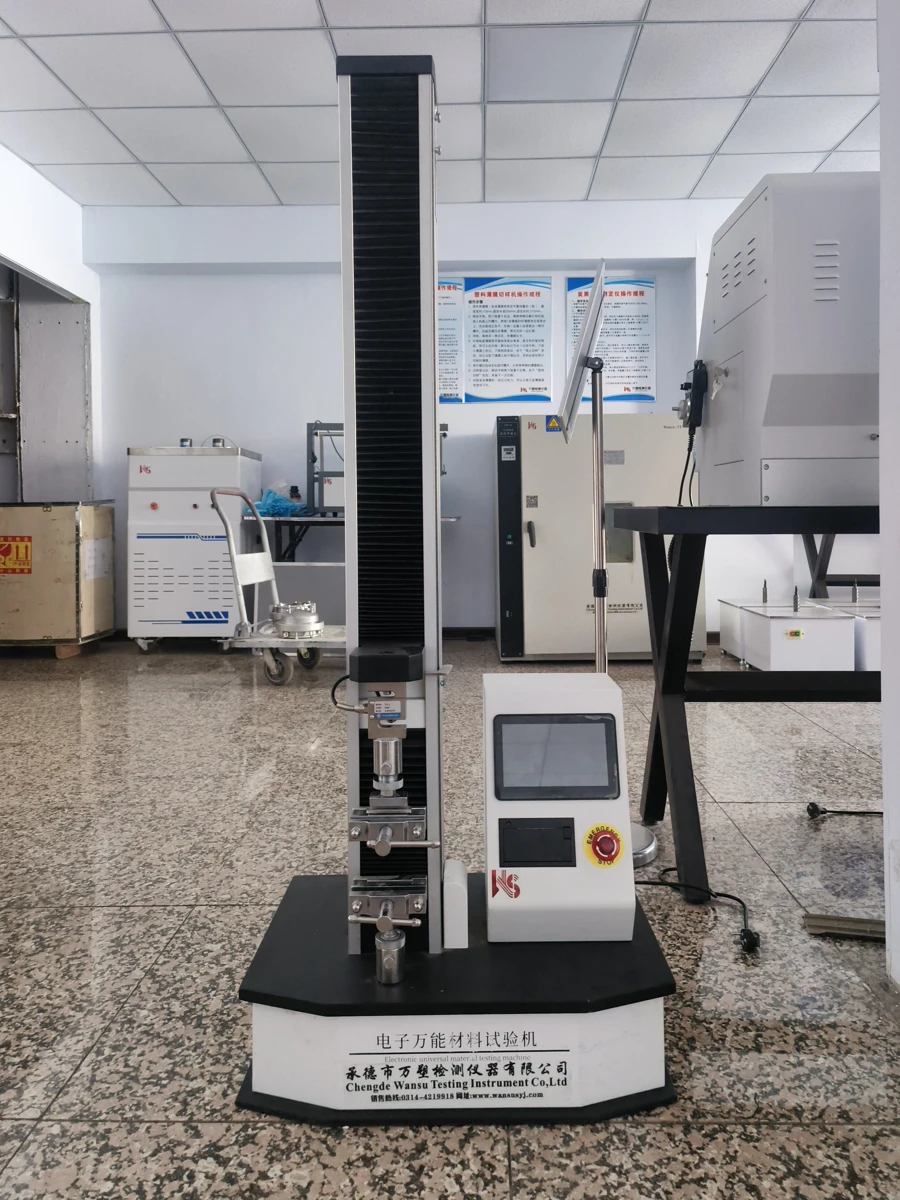
Evaluates the mechanical properties of plastics, rubber, films and composites: tension, compression, bending, tear and peel tests. Grips can be selected to suit the material and the test method.
Browse Wansu instruments by mechanical, pipe, thermal, analytical, sample preparation, safety and film testing.
Open a product image or name for full details, or preview its resources and continue browsing.

Evaluates the mechanical properties of plastics, rubber, films and composites: tension, compression, bending, tear and peel tests. Grips can be selected to suit the material and the test method.

A single-column design for tensile and mechanical testing of specimens. The series offers different measurement and control configurations, selected by test load, travel and data-processing needs.

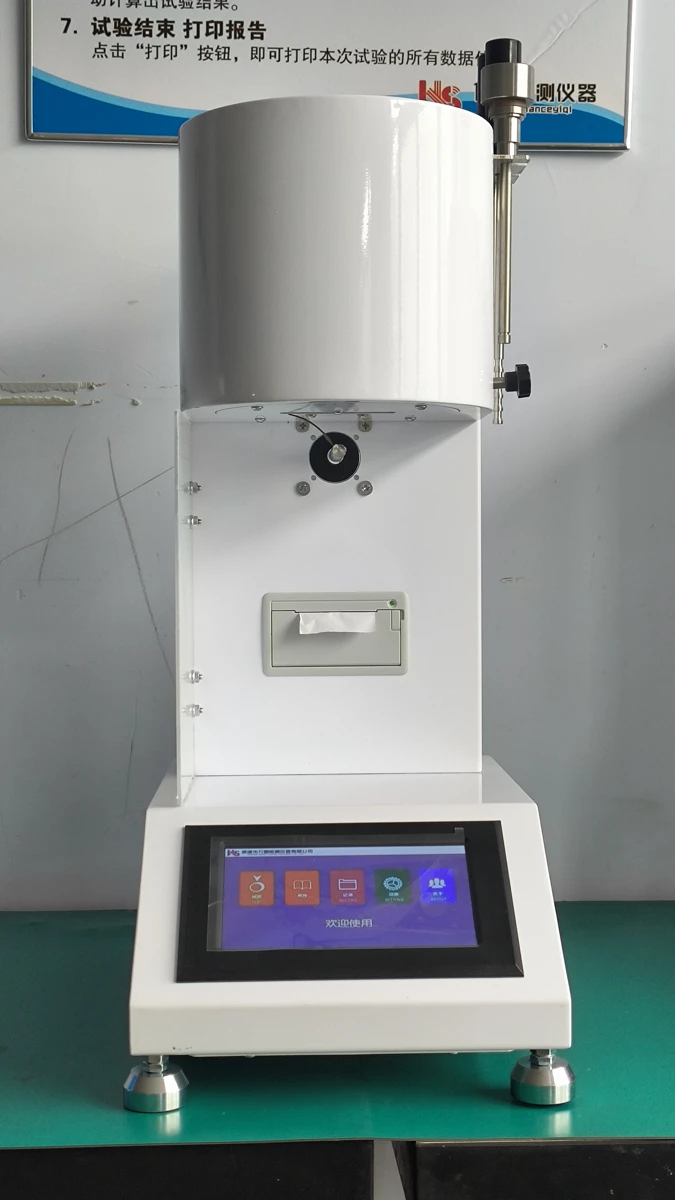
Determines the melt mass-flow rate (MFR) and melt volume-flow rate (MVR) of thermoplastics, for raw-material inspection, formulation research and processing quality control.

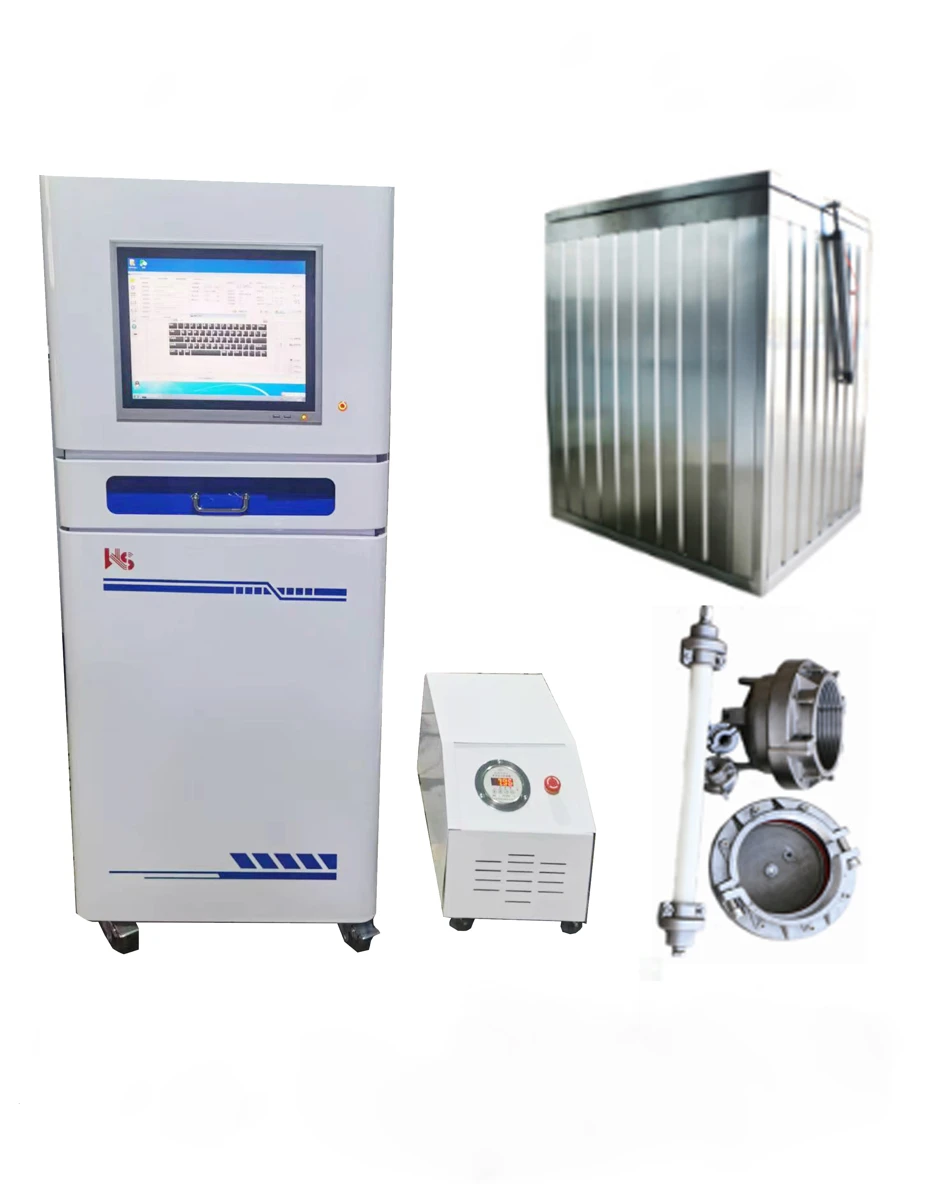
Tests the internal-pressure resistance and burst performance of thermoplastic and composite pipes. The test system is configured by number of test stations, specimen size and temperature control.

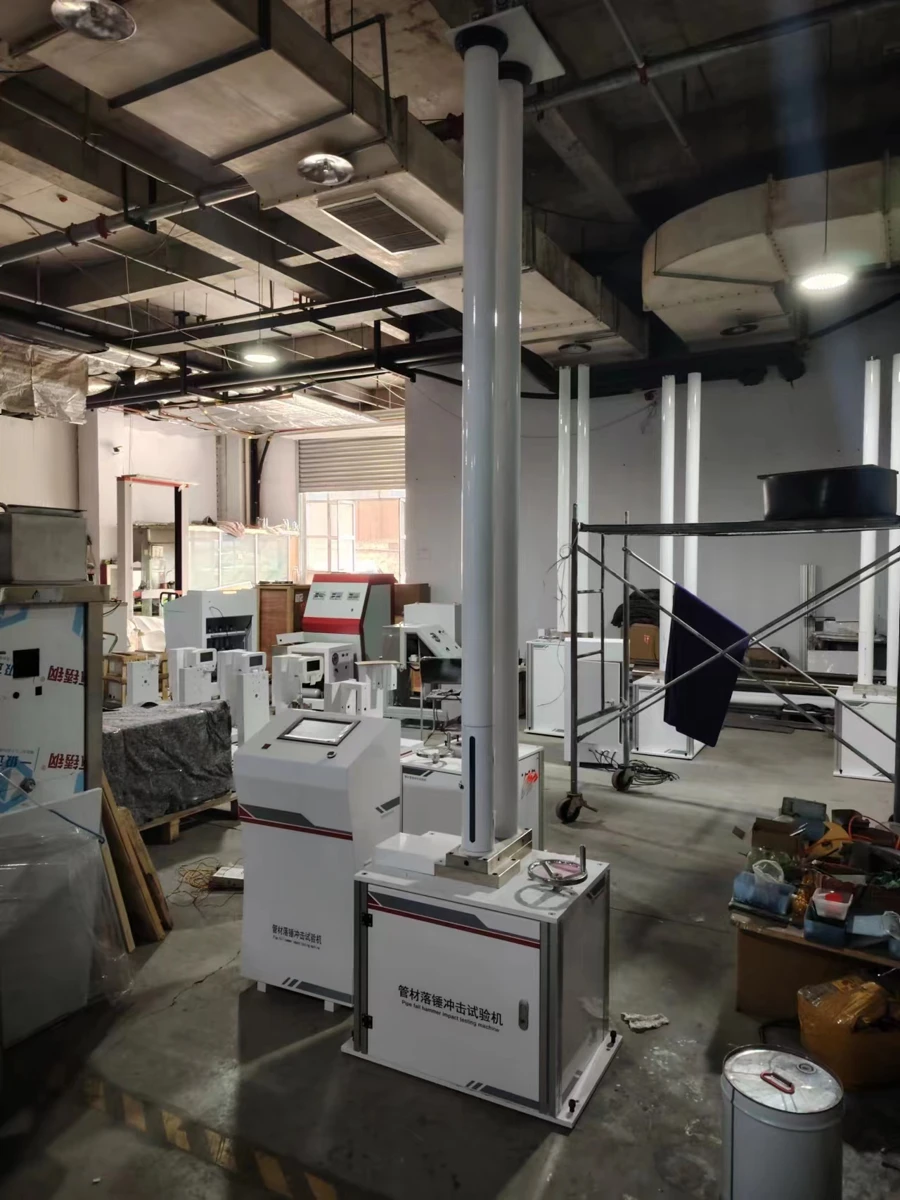
Assesses the impact resistance of pipe specimens under specified conditions by dropping a weight onto them. The series covers specimens of different pipe diameters.

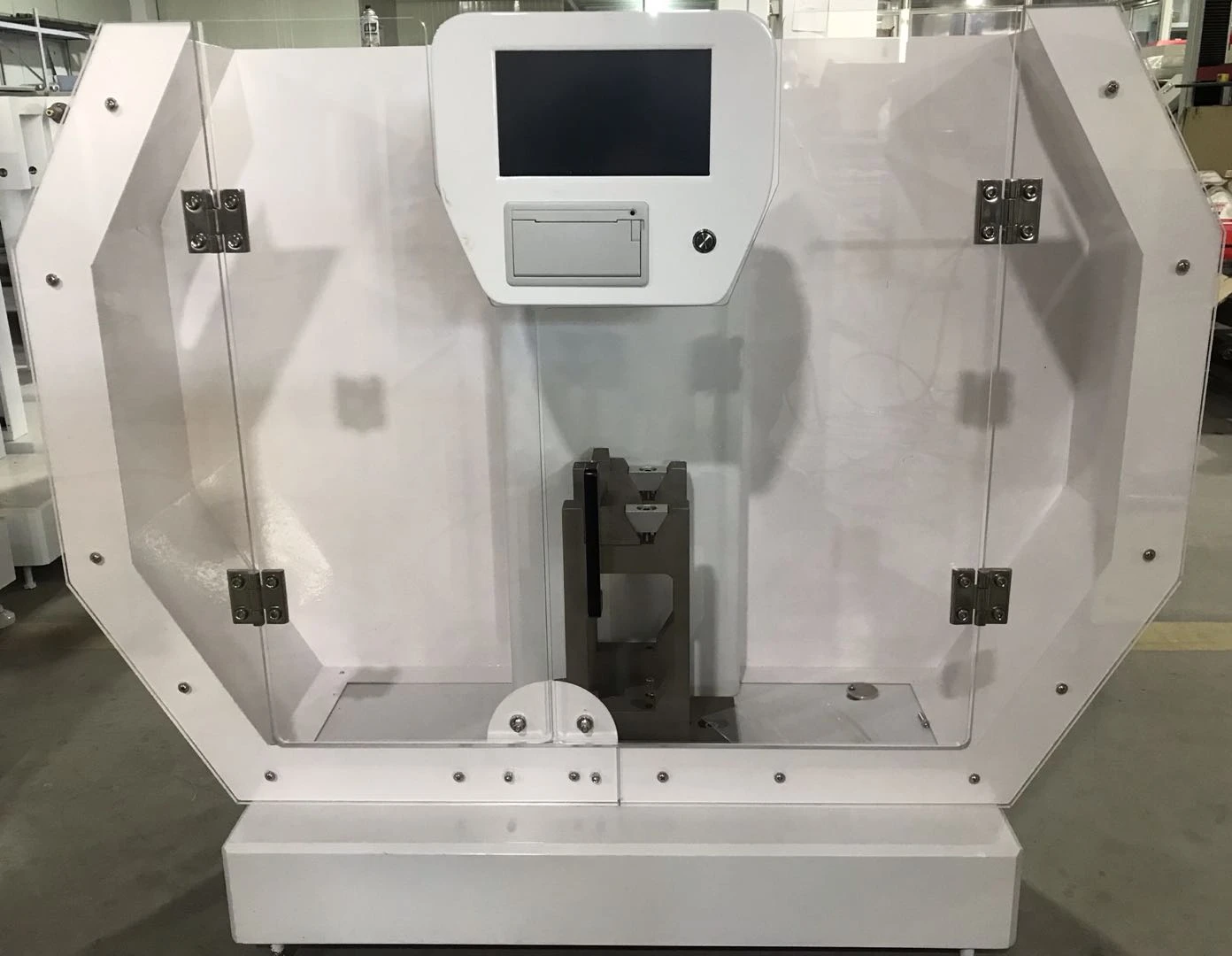
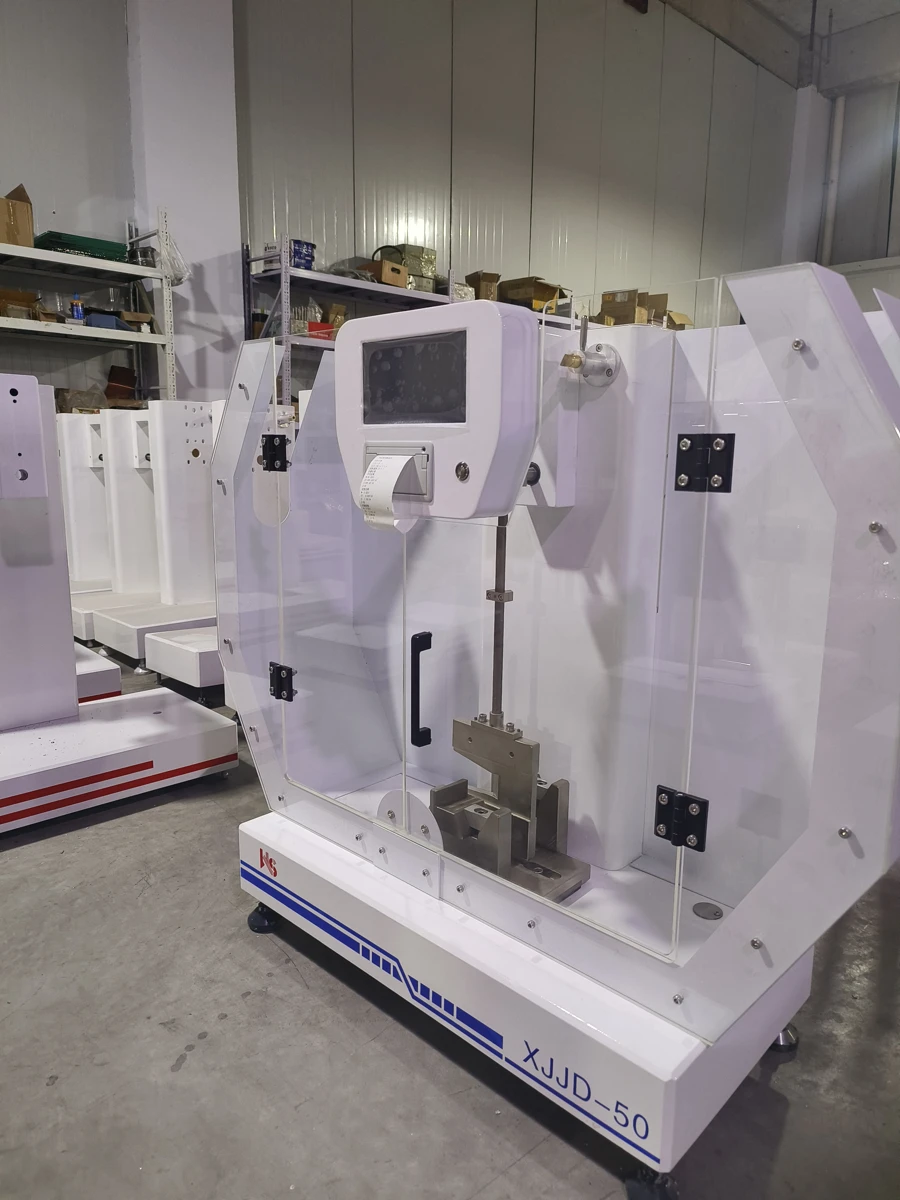
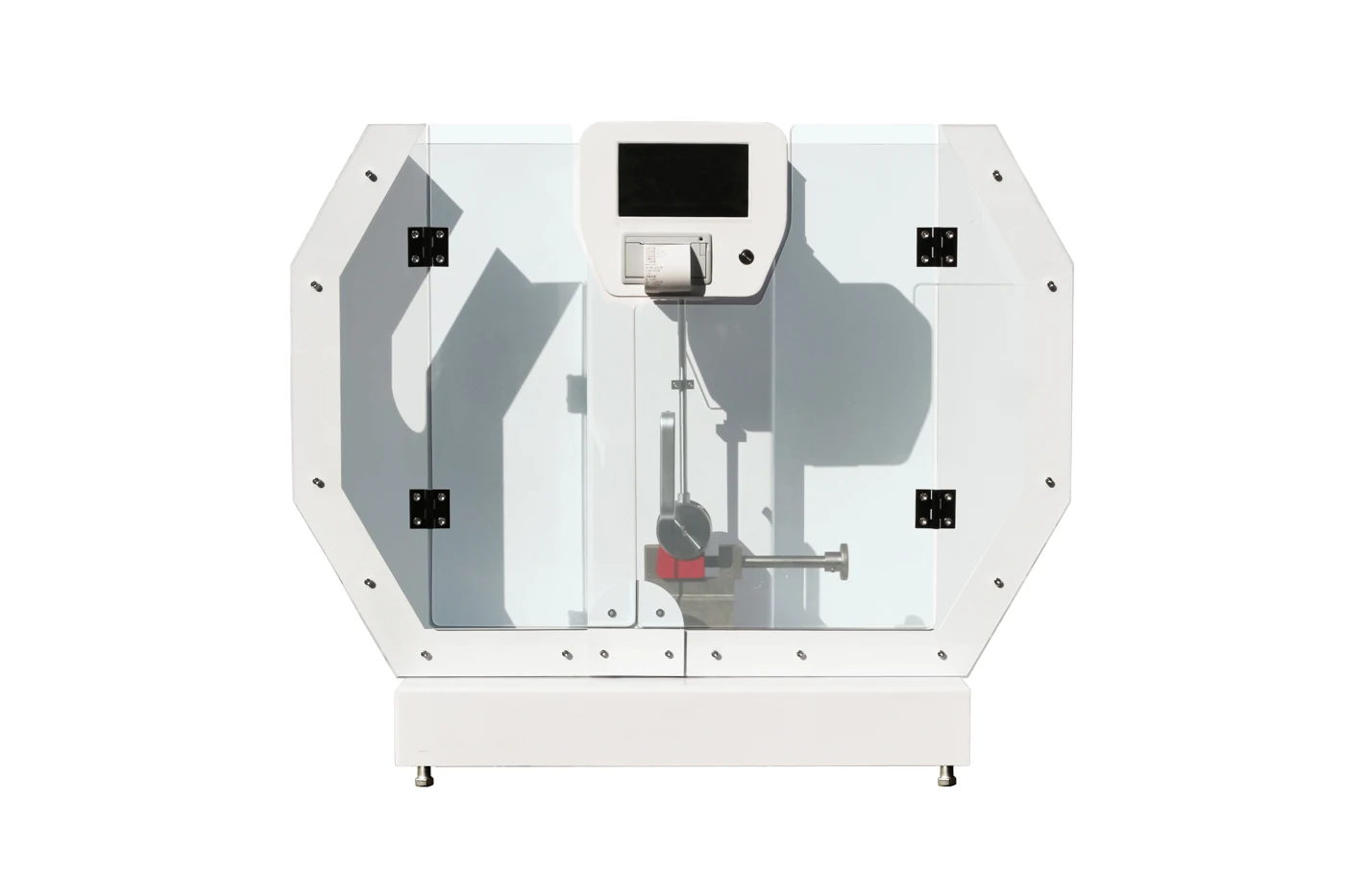
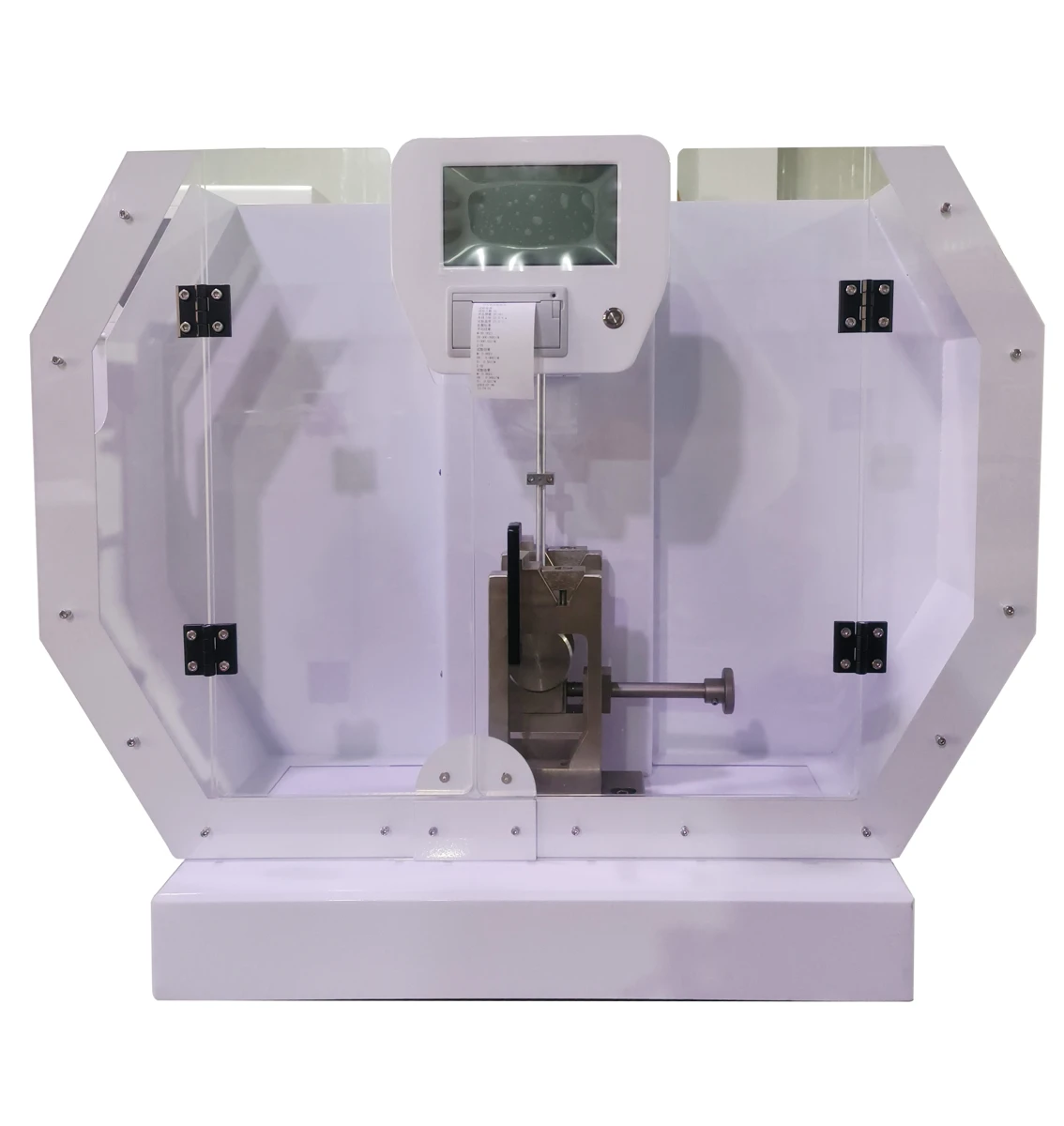
Determines the Charpy impact properties of materials. Pendulum and support configurations are chosen by specimen size, notch type and test energy.

Determines the Charpy impact strength of thermoplastic pipes, for pipe manufacturers and testing institutes evaluating impact performance.

Determines the Izod impact strength of plastics and other non-metallic materials. The series offers different impact energies and control configurations, selected by specimen and standard.

Combines Charpy and Izod impact testing in one series, so laboratories can evaluate impact performance with different methods.

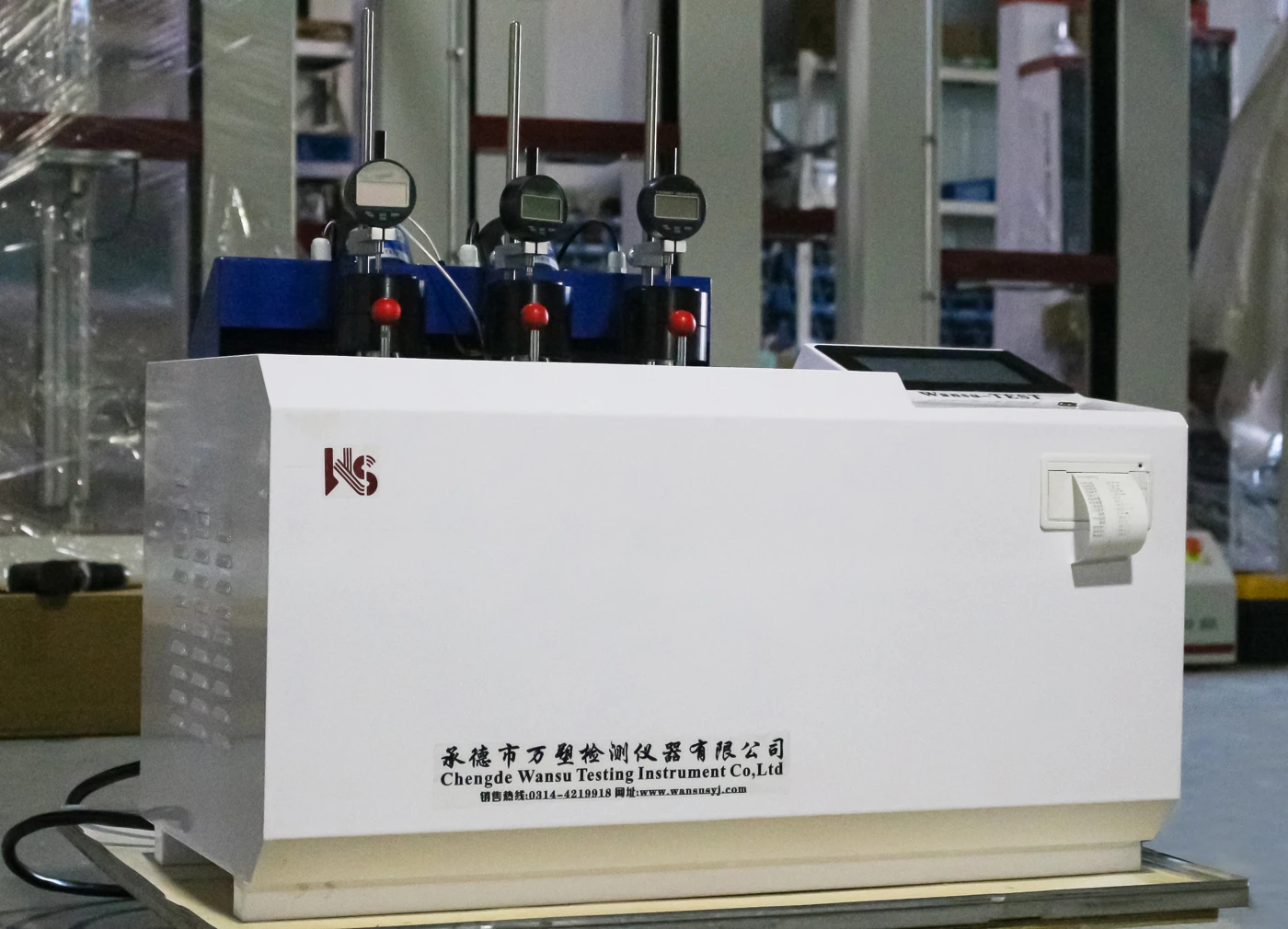
Determines the heat deflection temperature and Vicat softening temperature of polymers. The series offers different numbers of specimen stations and control options, for material development and thermal-property testing.

Tests the ring stiffness and related mechanical properties of plastic pipes. The model is chosen by pipe diameter, test space and measurement needs.

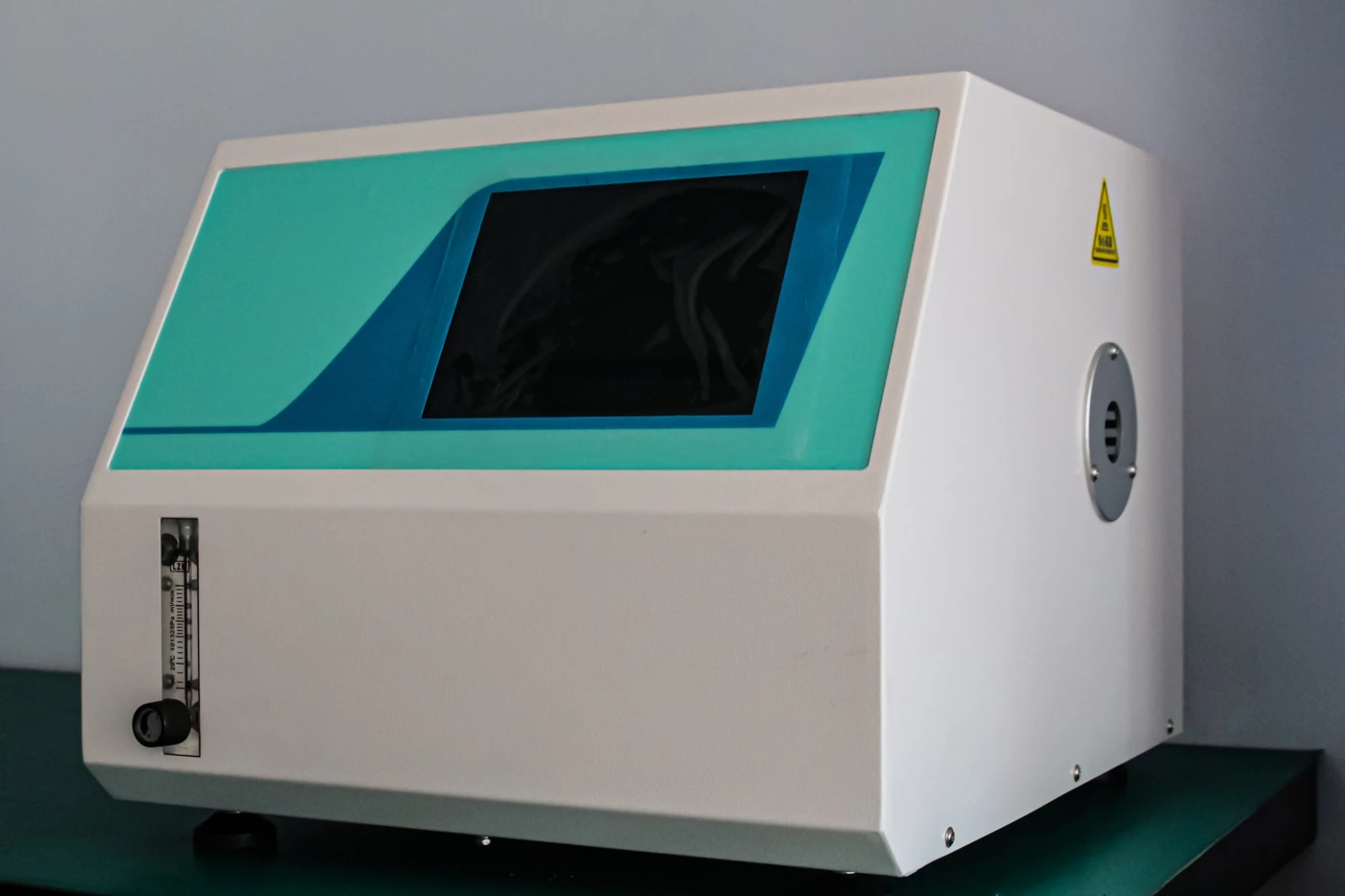
Studies thermal behavior such as glass transition, melting and crystallization, enthalpy and oxidation induction from the heat-flow changes of a material under programmed temperature control.

Determines the carbon black content of polymer materials, supporting quality control of plastic raw materials, pipes and related products.

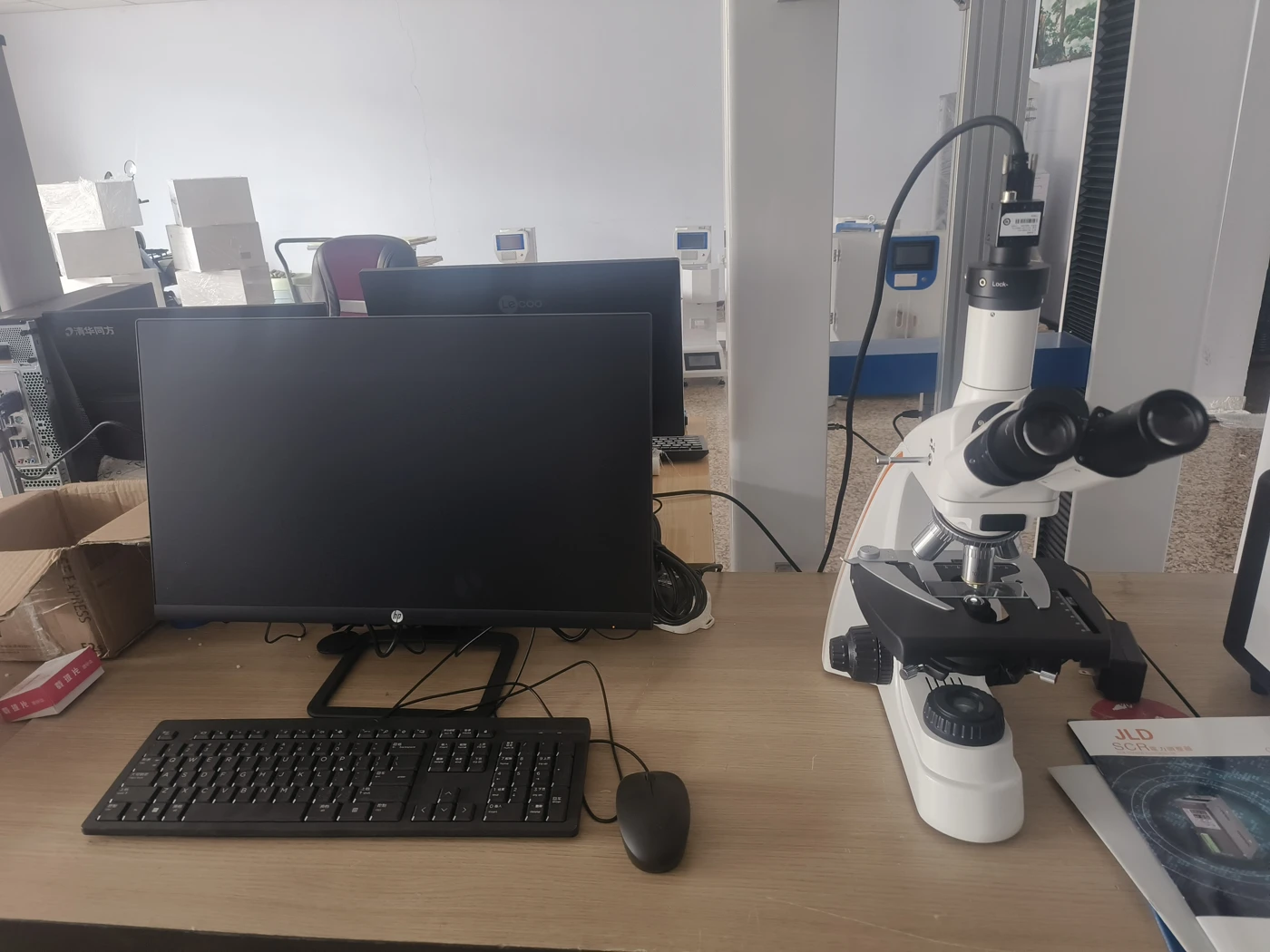
Observes and evaluates how carbon black is dispersed in polymers, supporting dispersion-quality inspection of plastic pipes and raw materials.

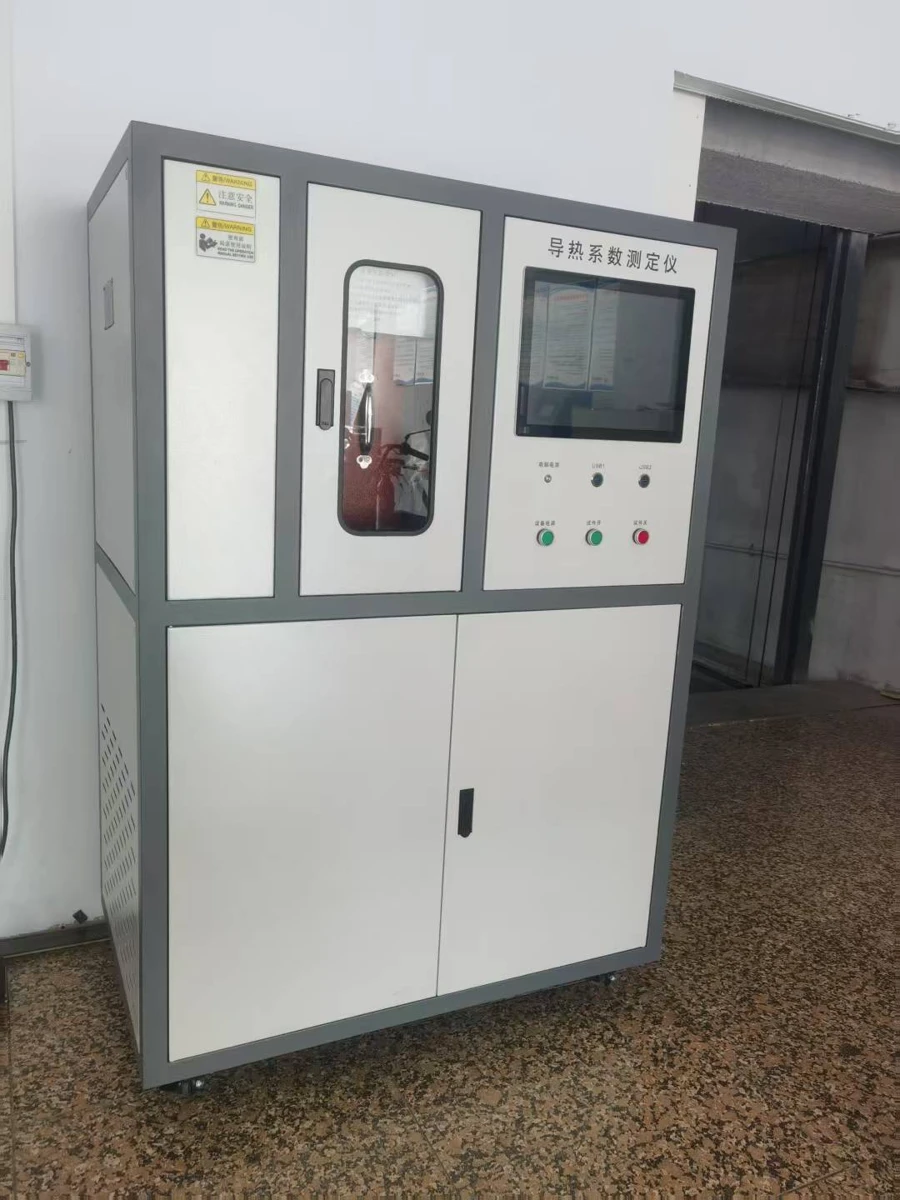
Measures the thermal conductivity of materials, suited to research and quality evaluation of insulation materials and similar specimens.

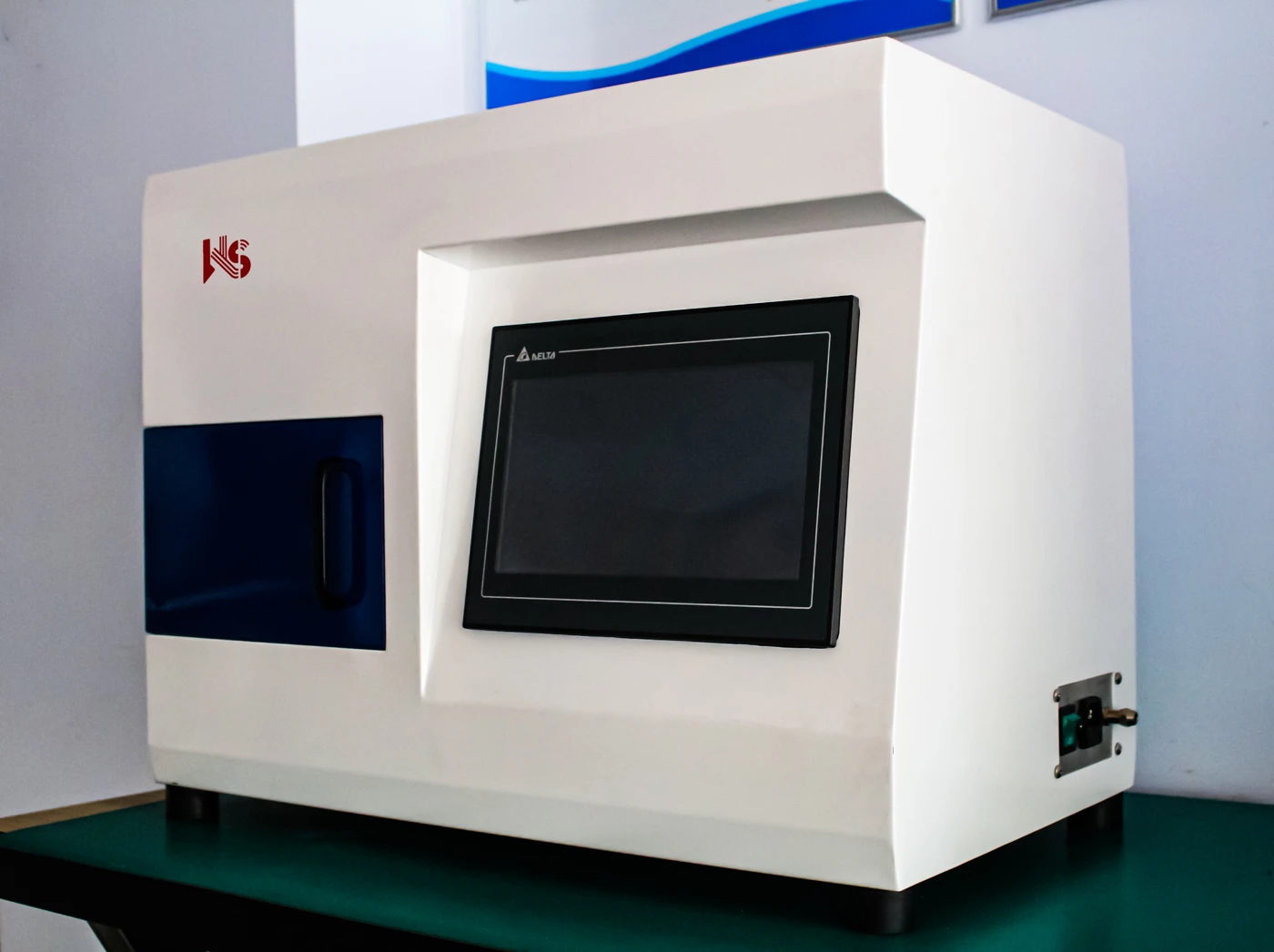
Determines the open-cell and closed-cell content of foam materials, supporting analysis of the structure and properties of foamed materials.

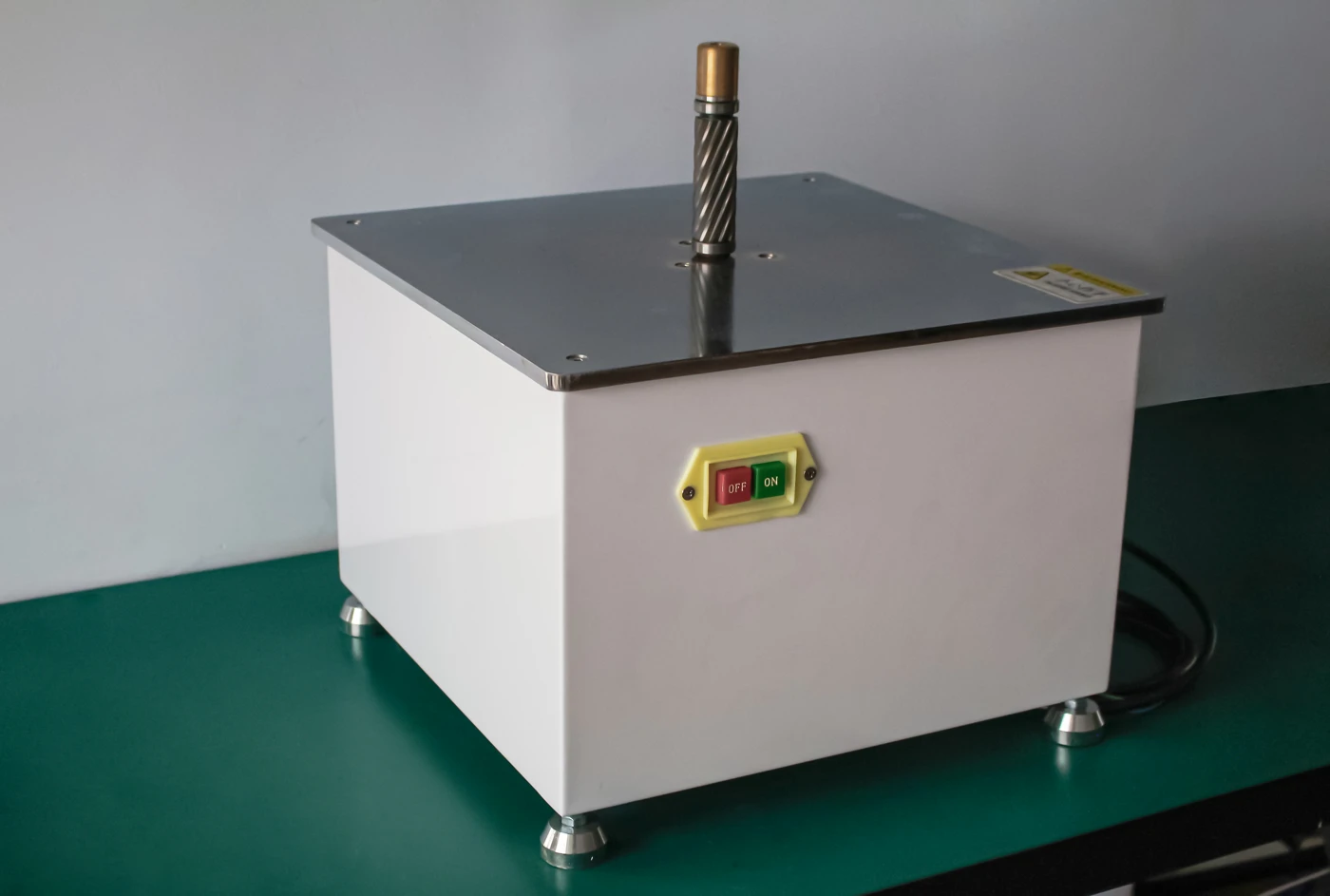
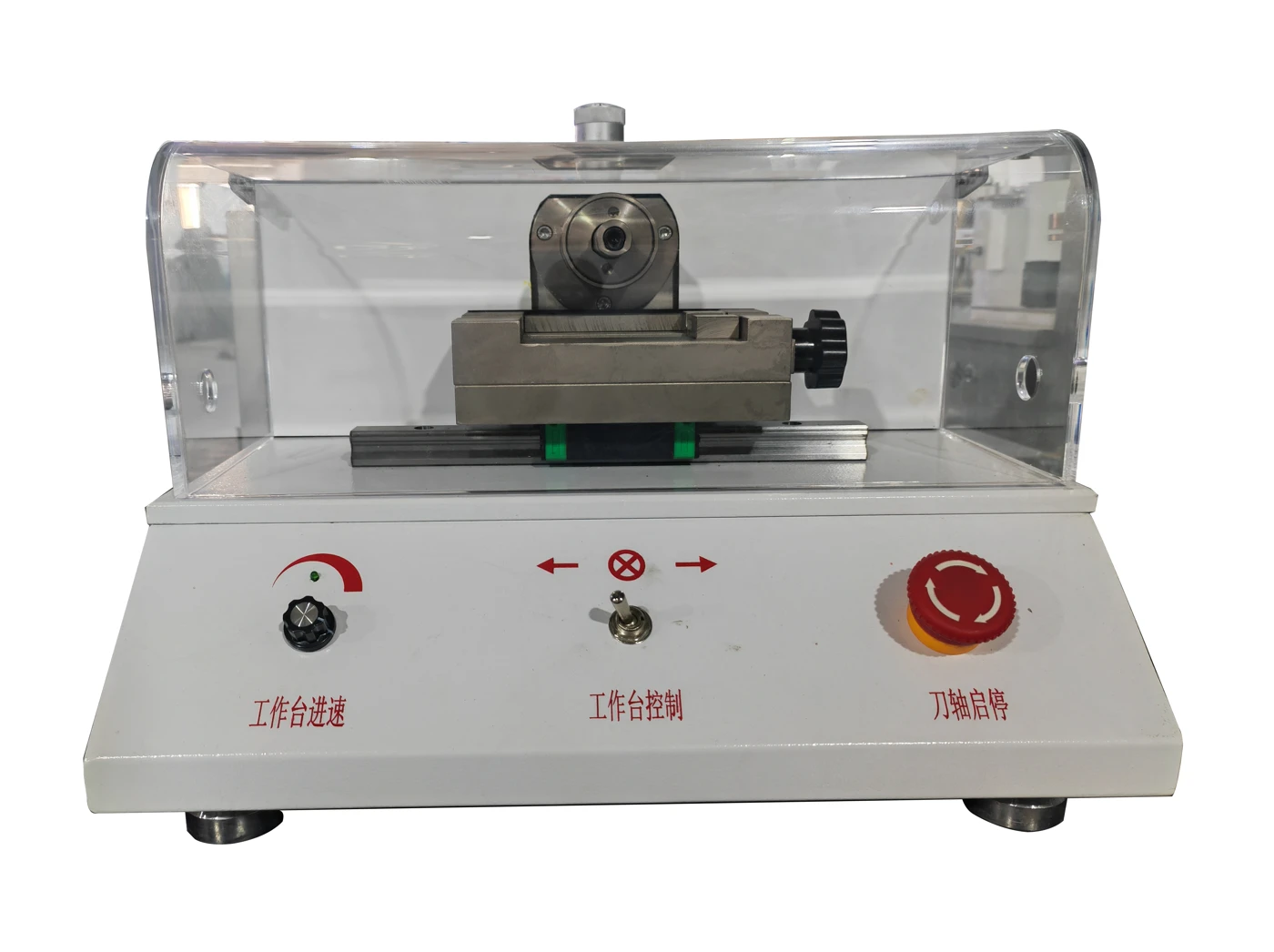
Machines the dumbbell-shaped specimens needed for material testing, supporting tensile tests with matching specimen preparation.

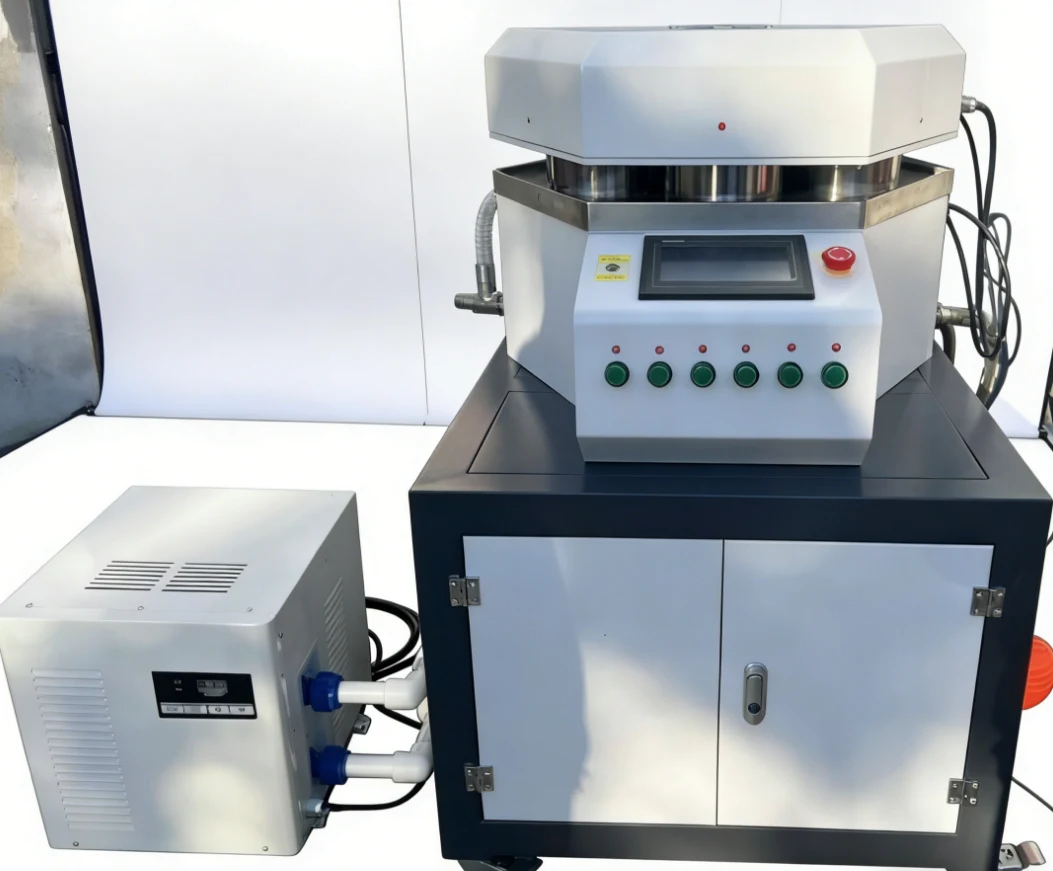
Presses plastic granules into specimen sheets by heating, melting and manual pressing, providing specimen preparation for laboratory material testing.

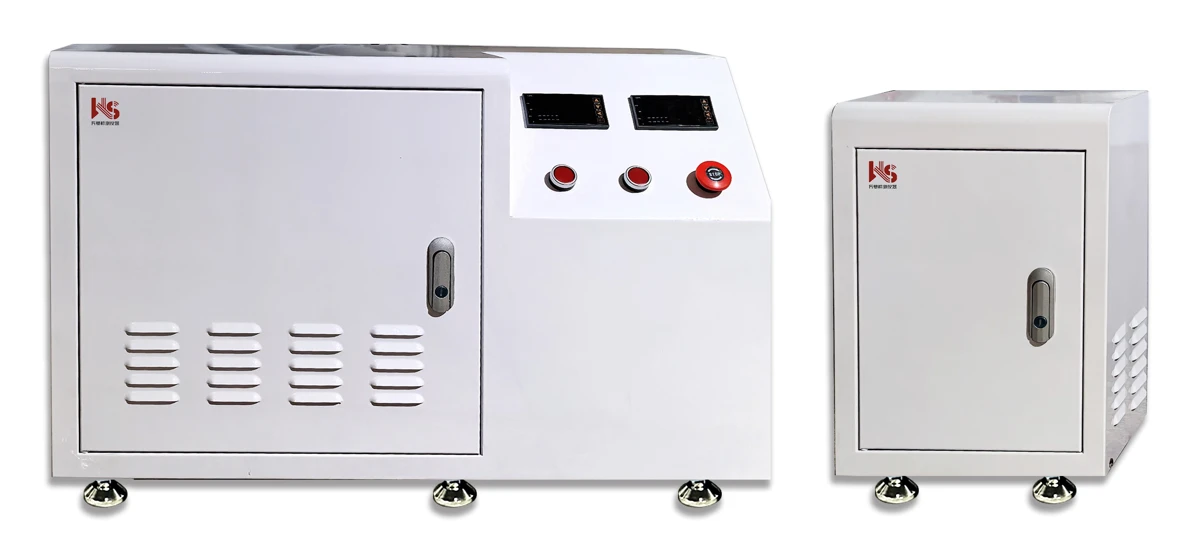
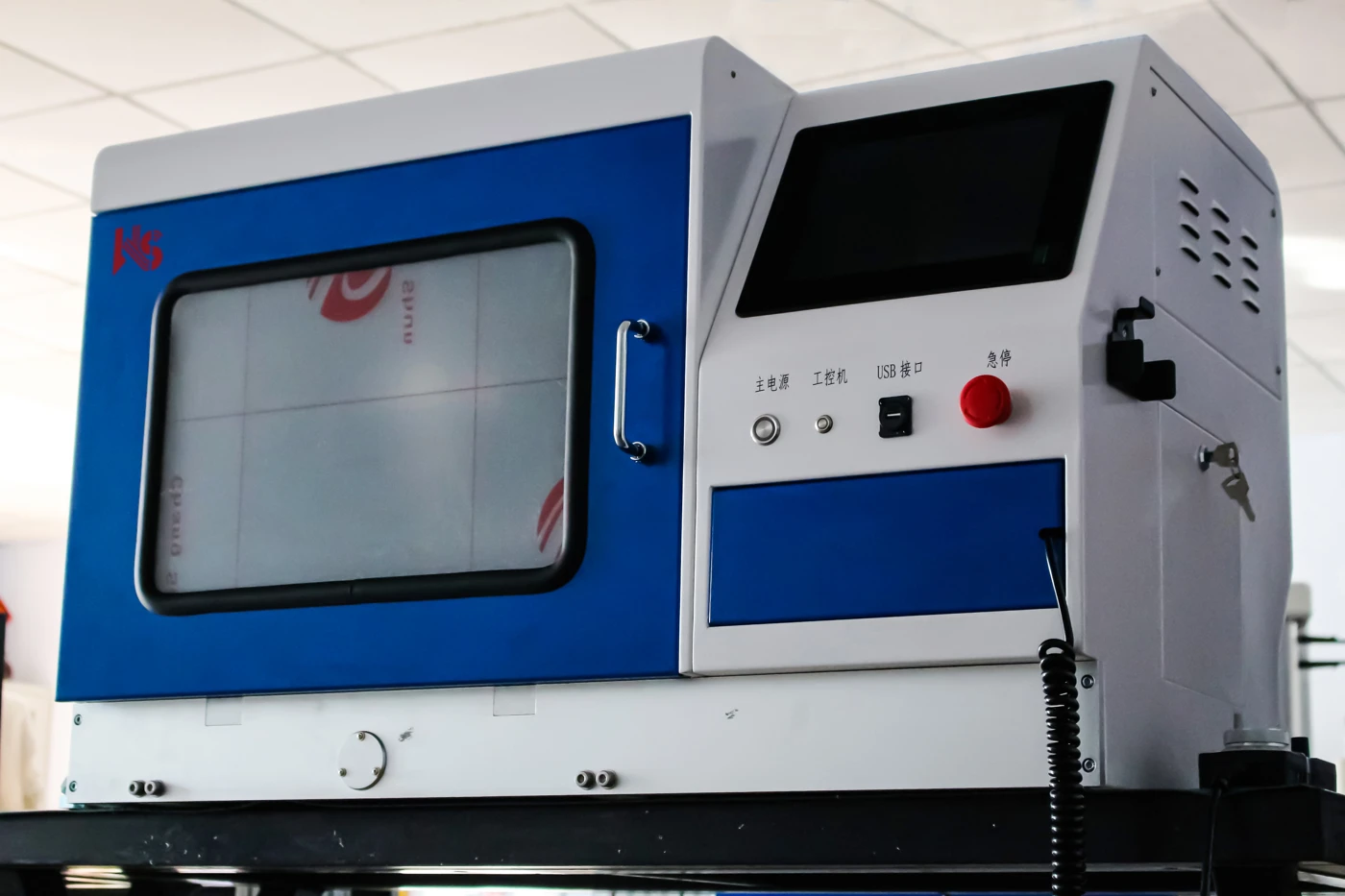
Prepares test specimens by CNC machining, so laboratories can cut specimens of different shapes as the test requires.

Cuts notches in impact test specimens. Used together with Charpy, Izod and other impact testing equipment.

Prepares double-notch coplanar specimens of materials such as ultra-high-molecular-weight polyethylene (PE-UHMW); also used to notch FNCT and PENT specimens.

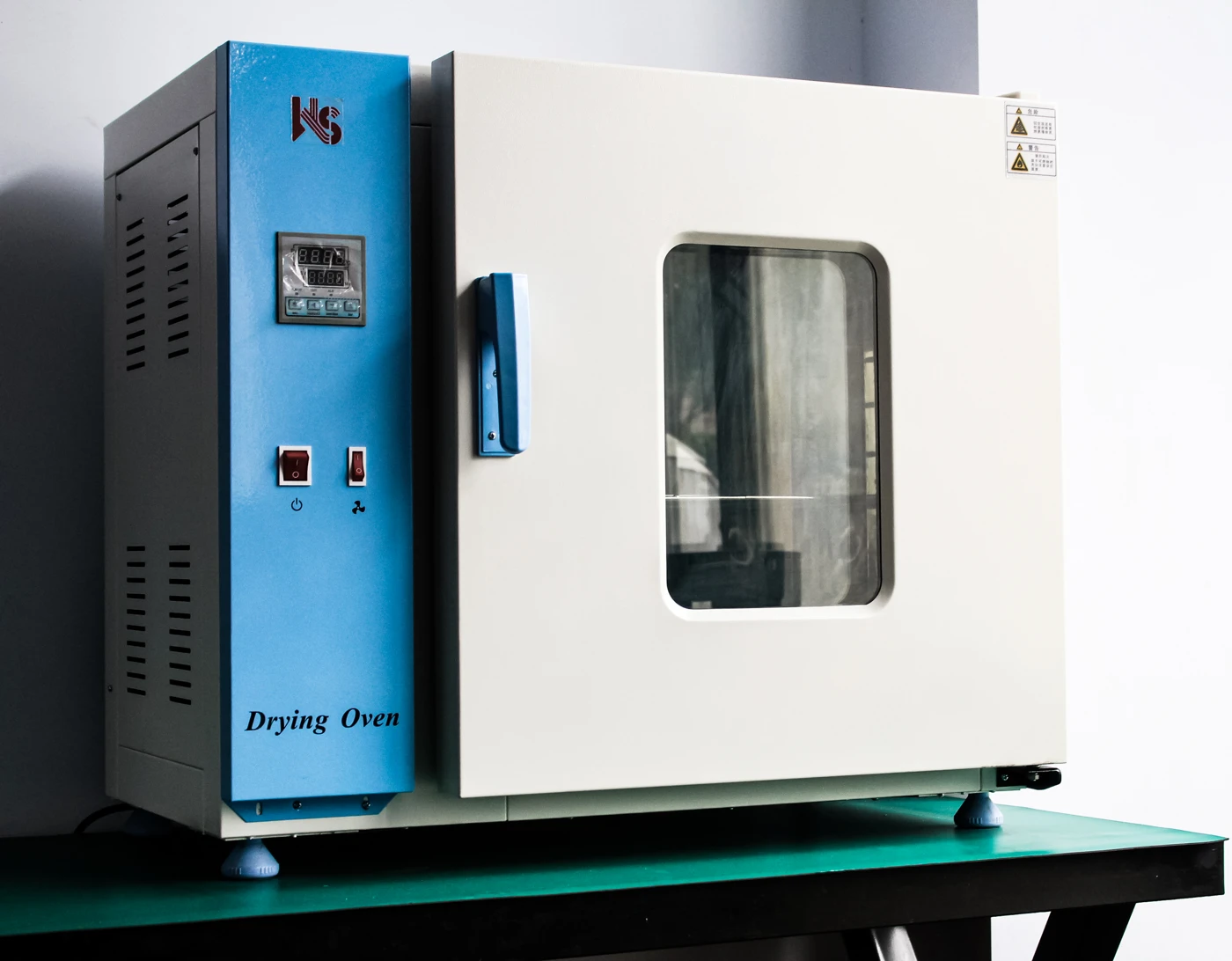
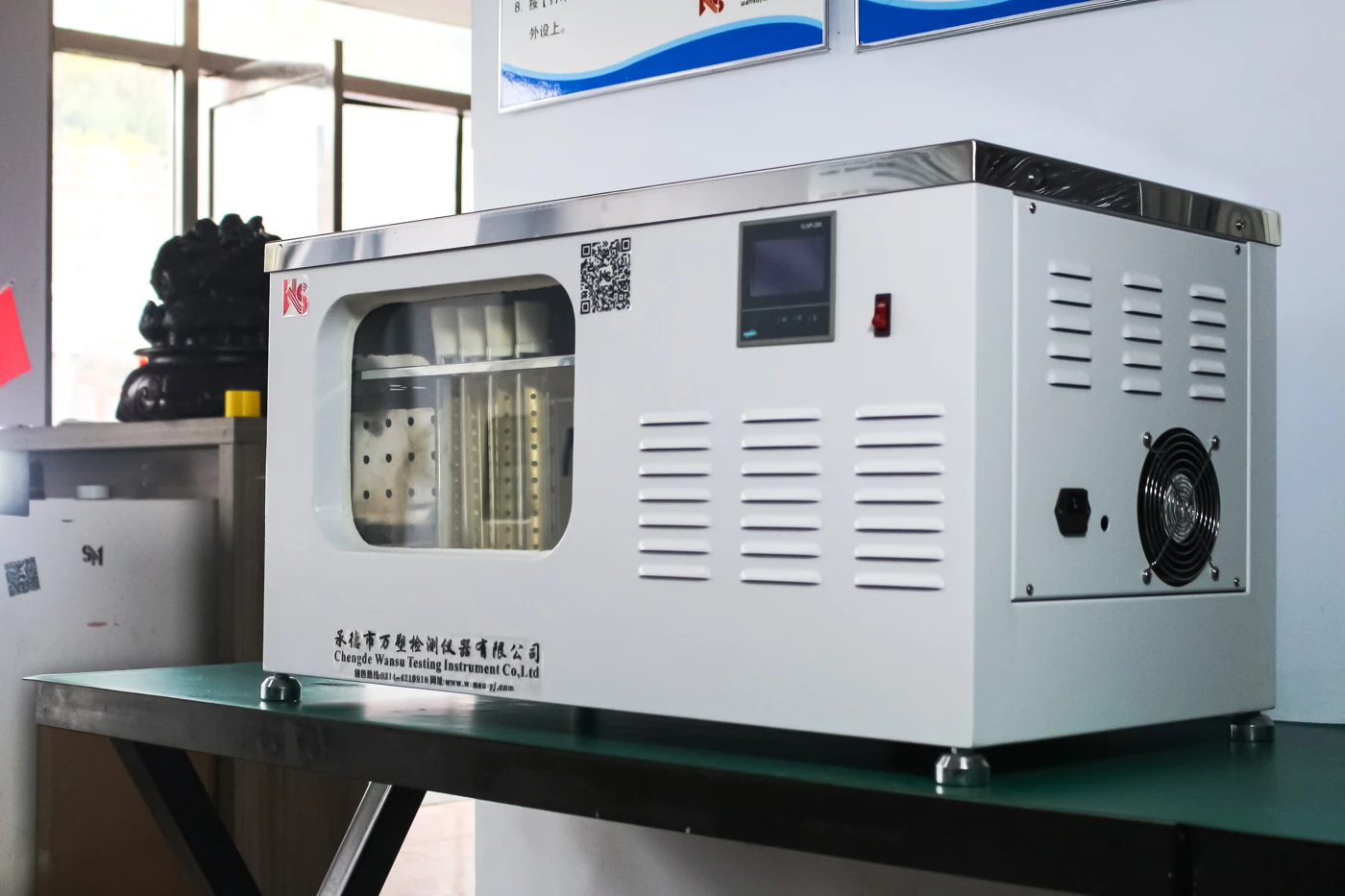
For drying and heat treatment of laboratory specimens. The series offers different temperature ranges and chamber sizes, selected by sample quantity and working temperature.

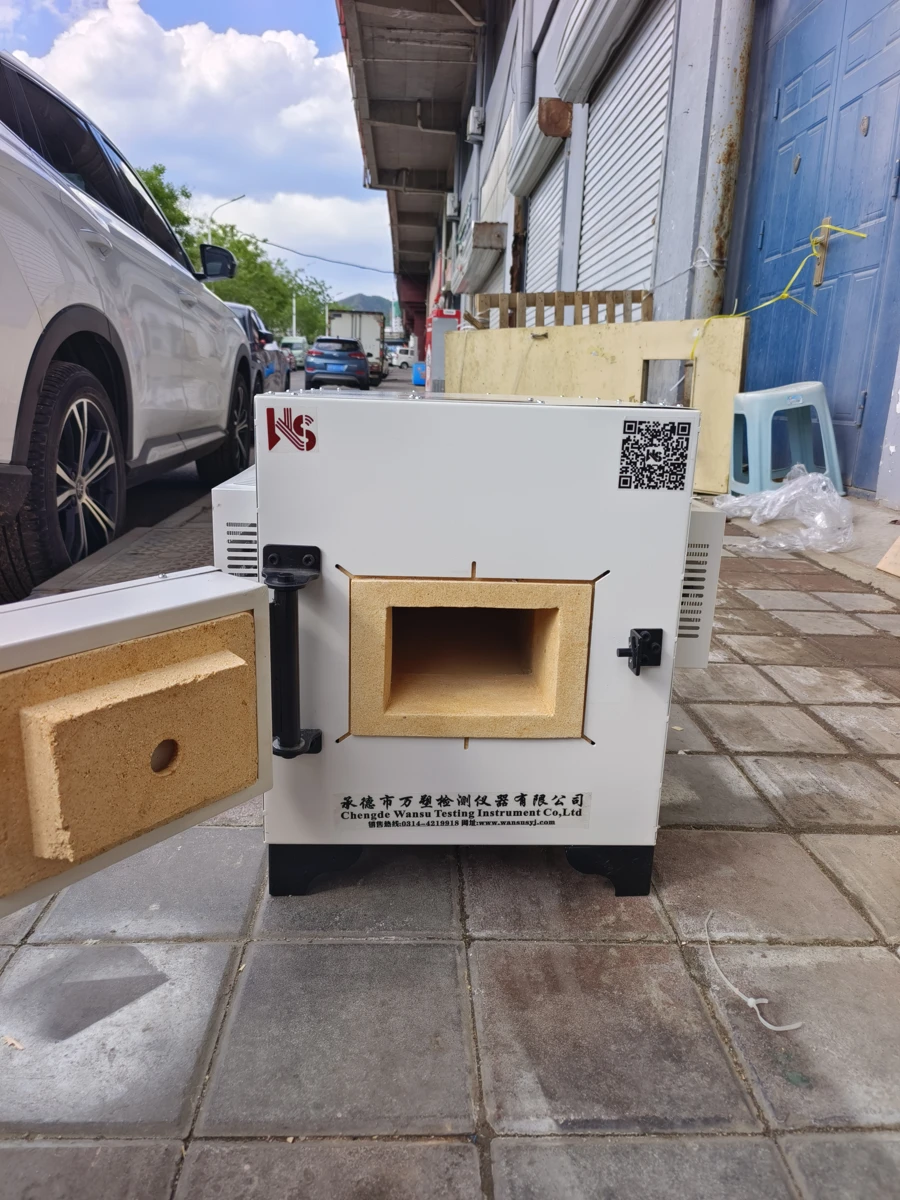
For high-temperature heating of laboratory samples. The series offers different control methods and temperature ratings, selected by heating needs and sample size.

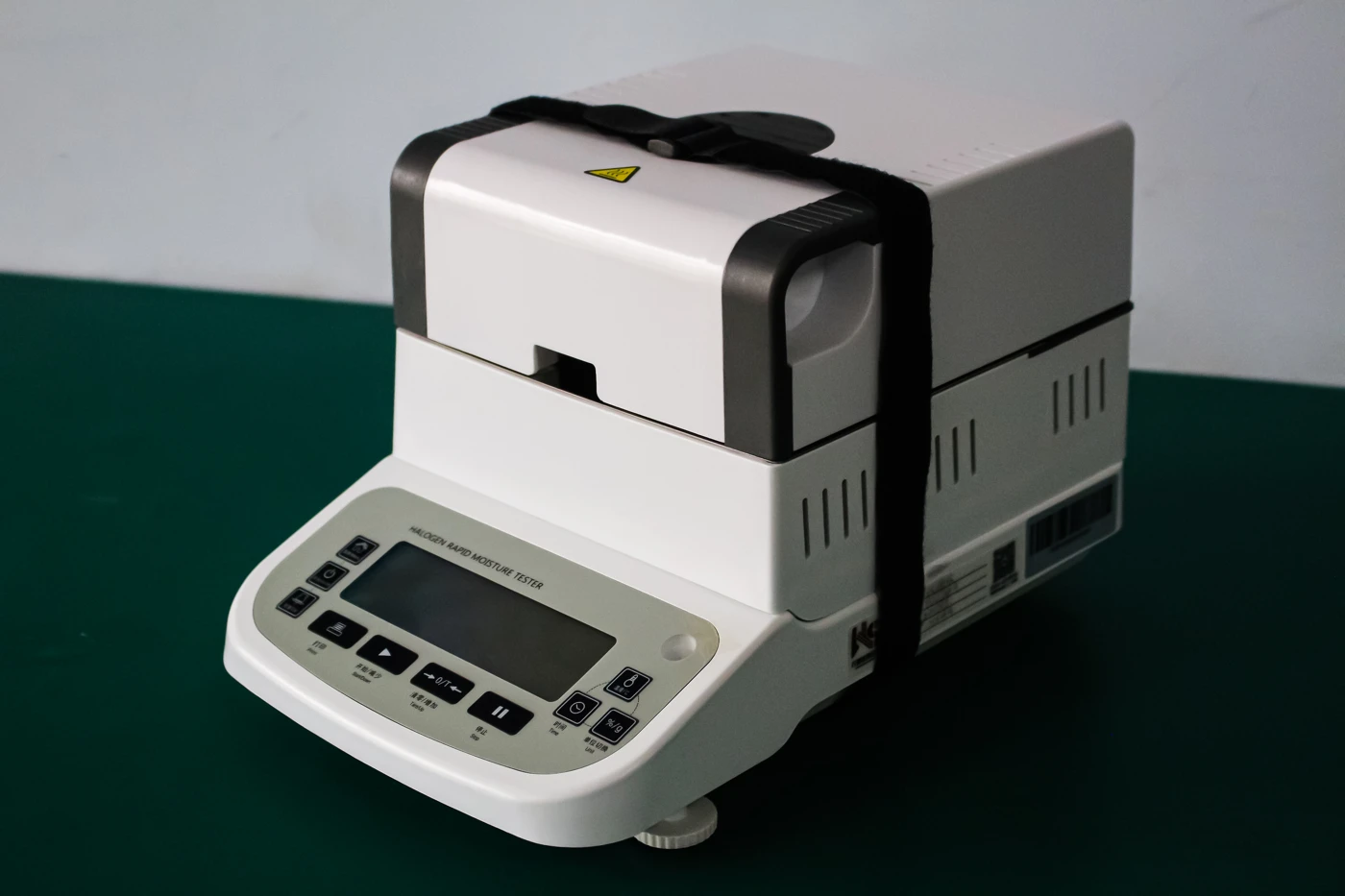
Determines the moisture content of specimens, supporting incoming-material inspection, process control and laboratory analysis. Weighing and display accuracy are listed for each model.

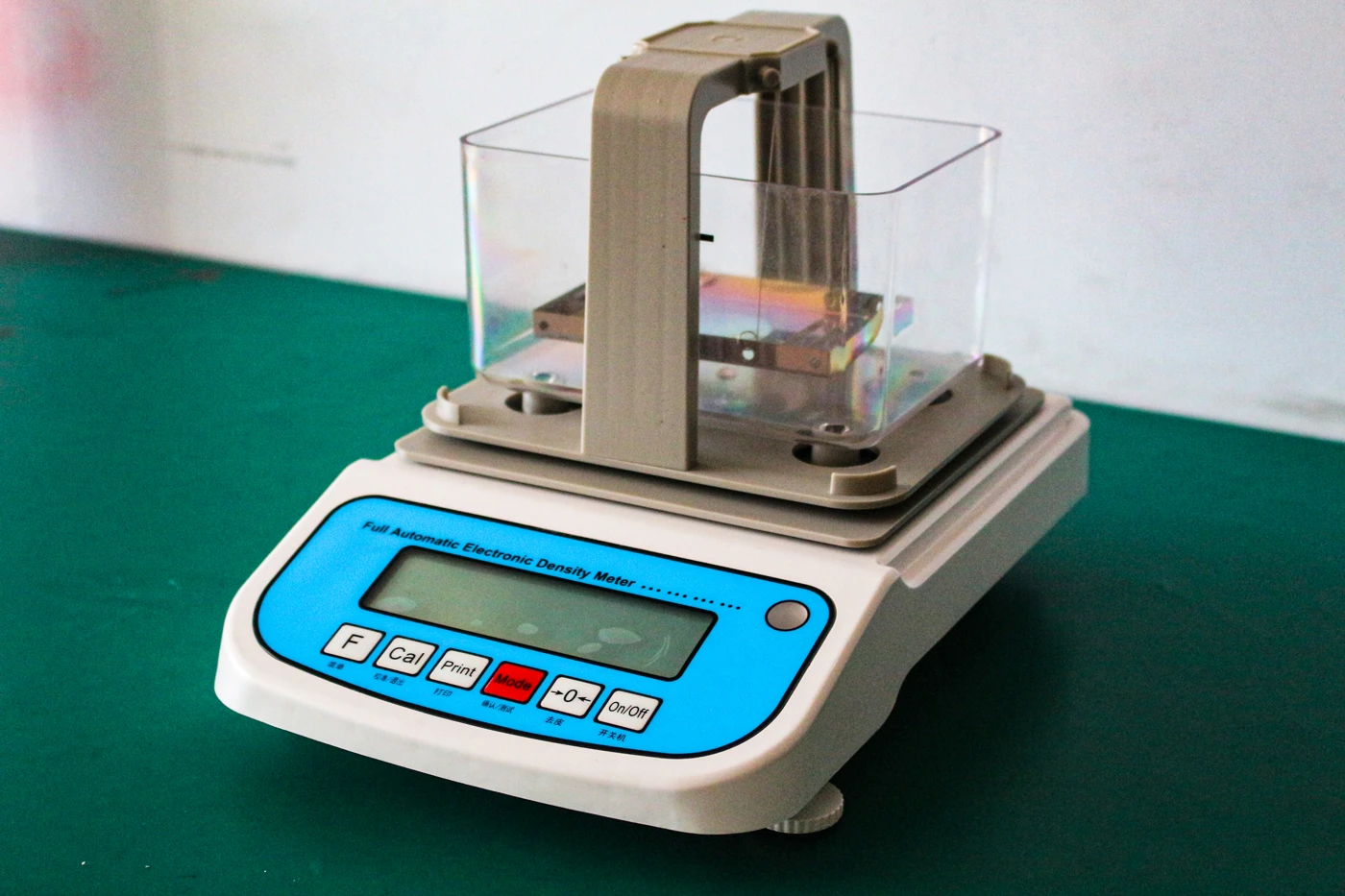
Measures material density. The series includes configurations of different measurement accuracy for density testing in laboratories and production quality control.

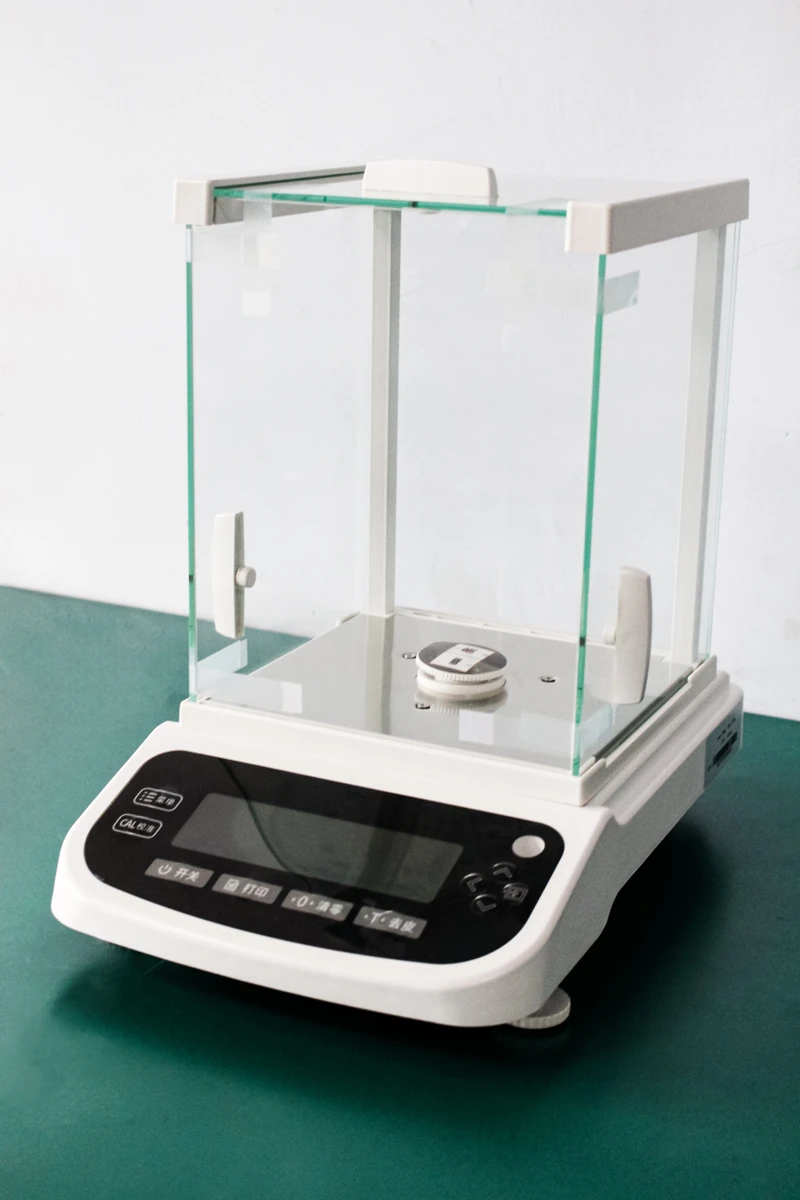
For weighing laboratory samples, providing the basic weighing for specimen preparation, mass-change measurement and analytical testing.

Performs shell, seal and back-seat tests on valves to evaluate their pressure resistance and tightness. The test-pressure configuration is selected from the model documents.

Tests the opacity of plastic pipes and fittings, for optical-property inspection at pipe manufacturers and testing laboratories.

Tests the cracking behavior of materials such as polyethylene under specified environment and stress conditions, supporting evaluation of environmental stress cracking resistance.

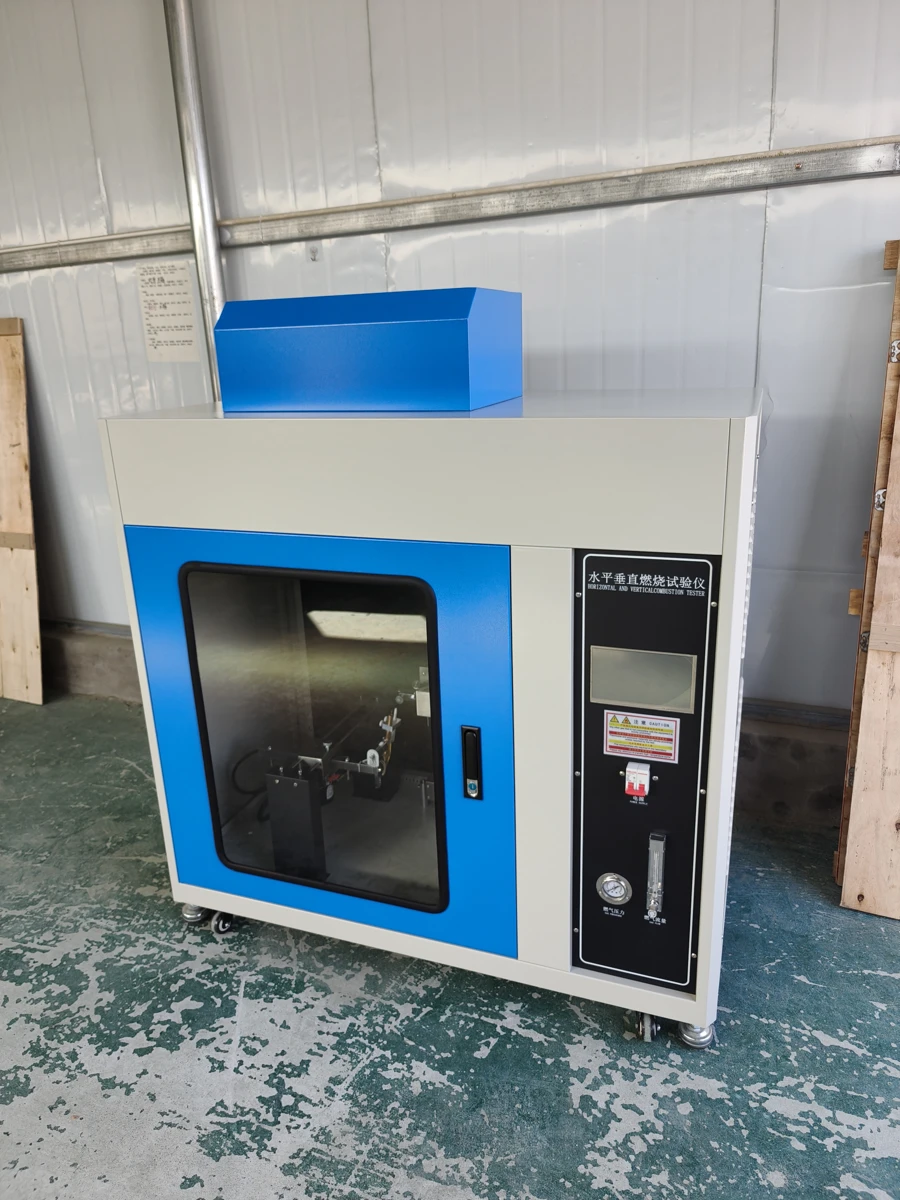
Tests the horizontal and vertical burning behavior of plastics and related materials, supporting development and quality inspection of flame-retardant materials.

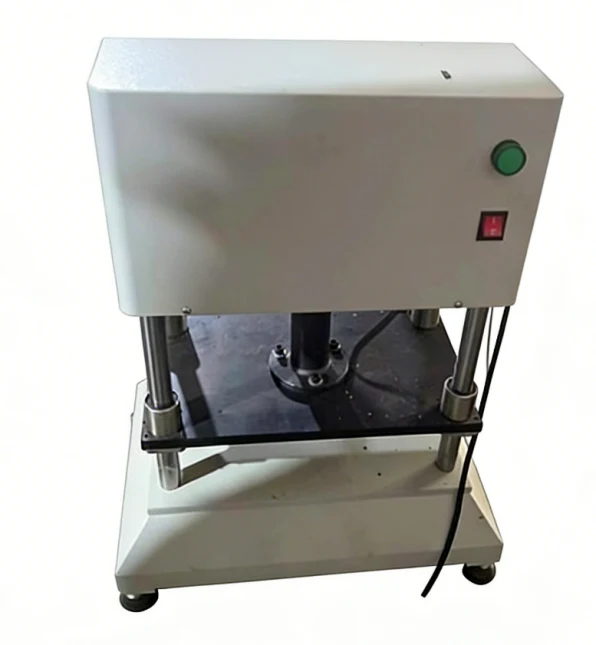
Cuts tensile test pieces and various test strips with an electric press and forming blades, for specimen preparation of waterproofing materials, rubber and plastics.

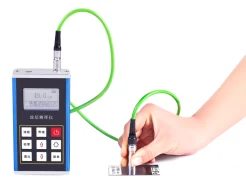
The series includes magnetic coating thickness gauges and ultrasonic thickness gauges, for coating thickness and material body thickness respectively. Choose the model by measuring principle.

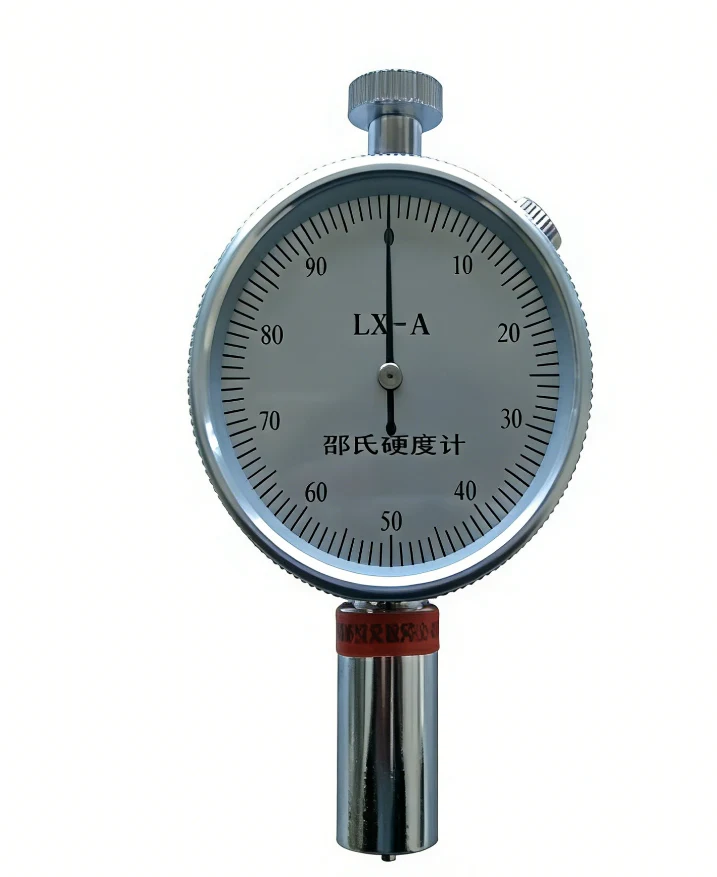
Shore hardness testing of rubber, plastics and similar materials. The series includes type A and type D, selected by the hardness range of the material.

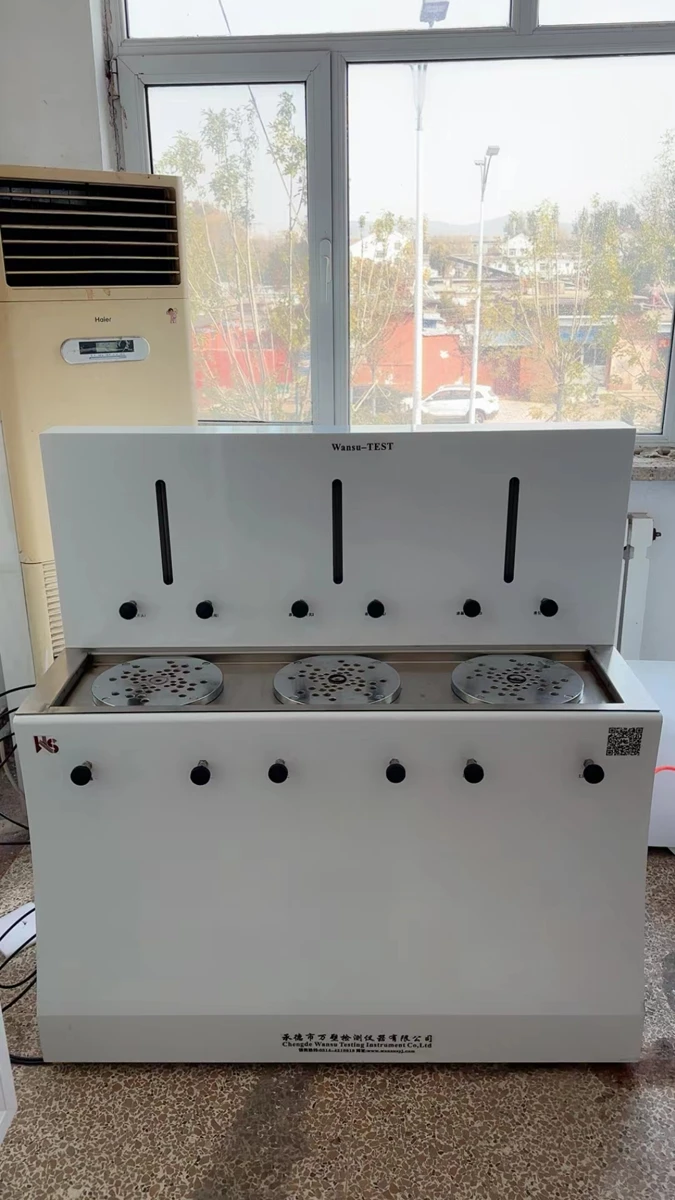
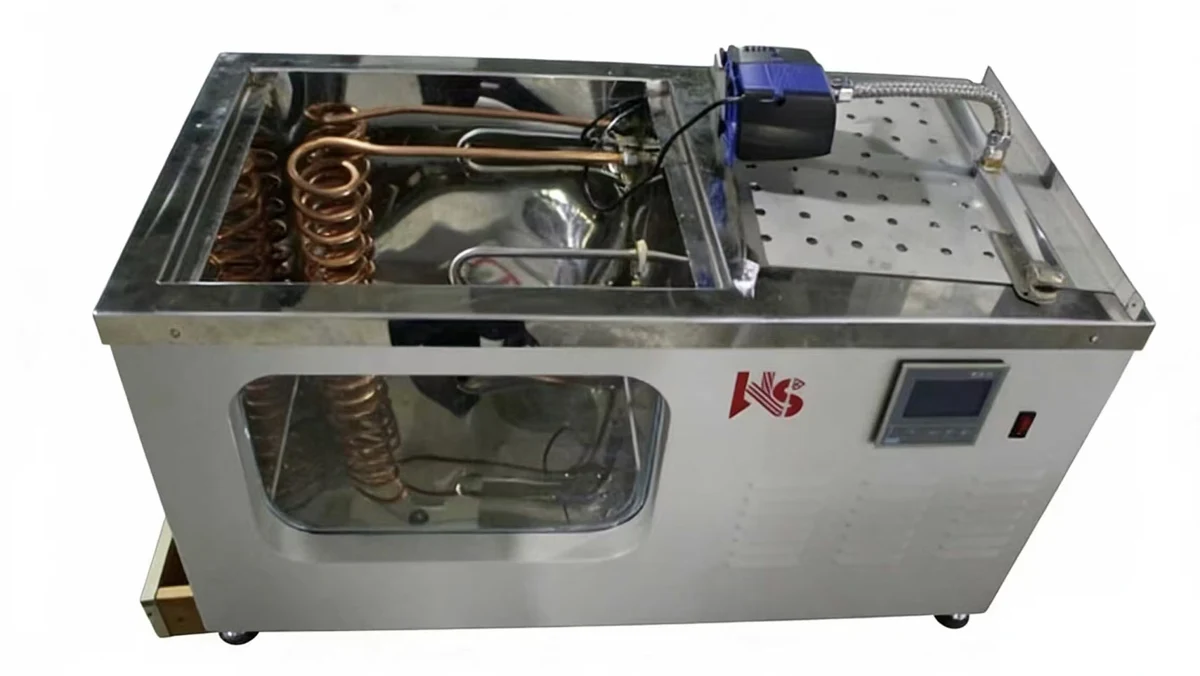
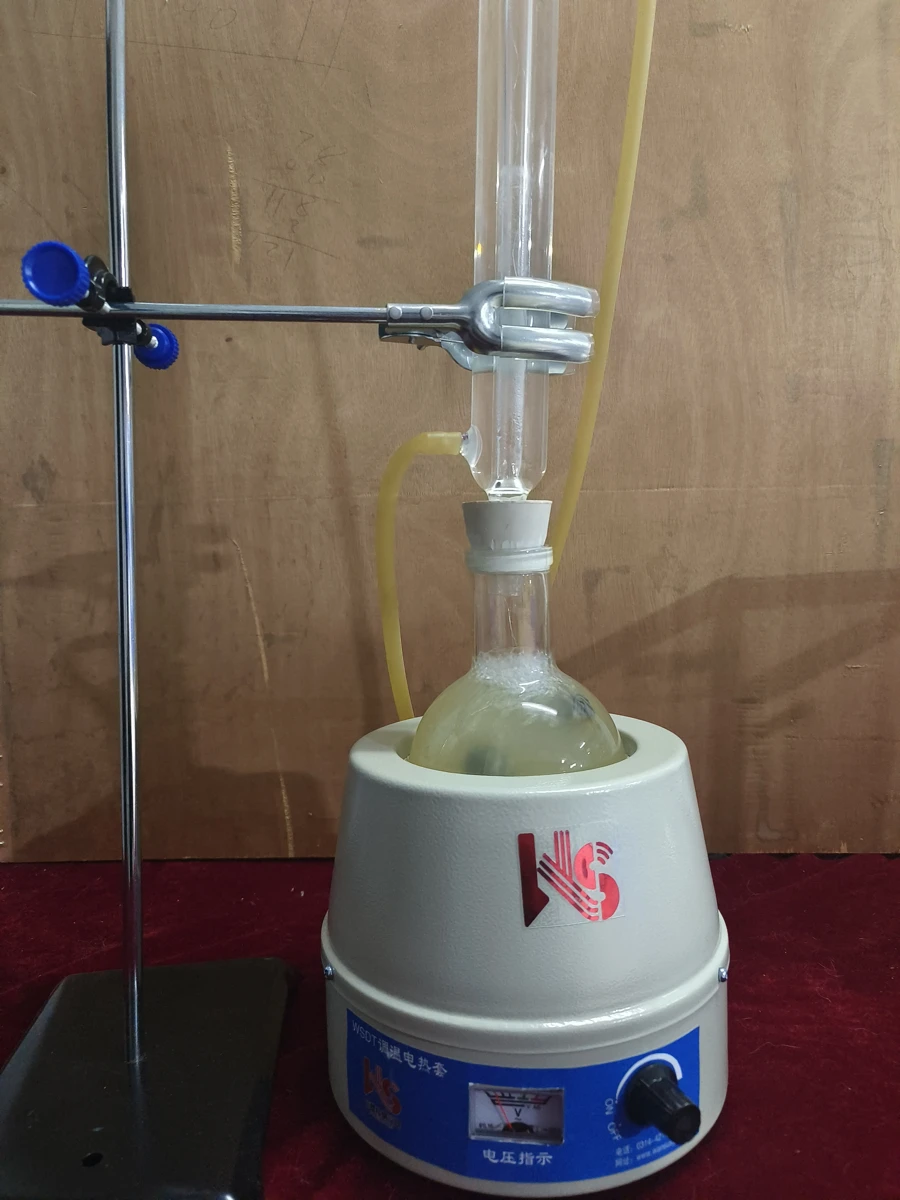
Dichloromethane immersion test of plastic pipes, supporting pipe quality evaluation under controlled temperature.

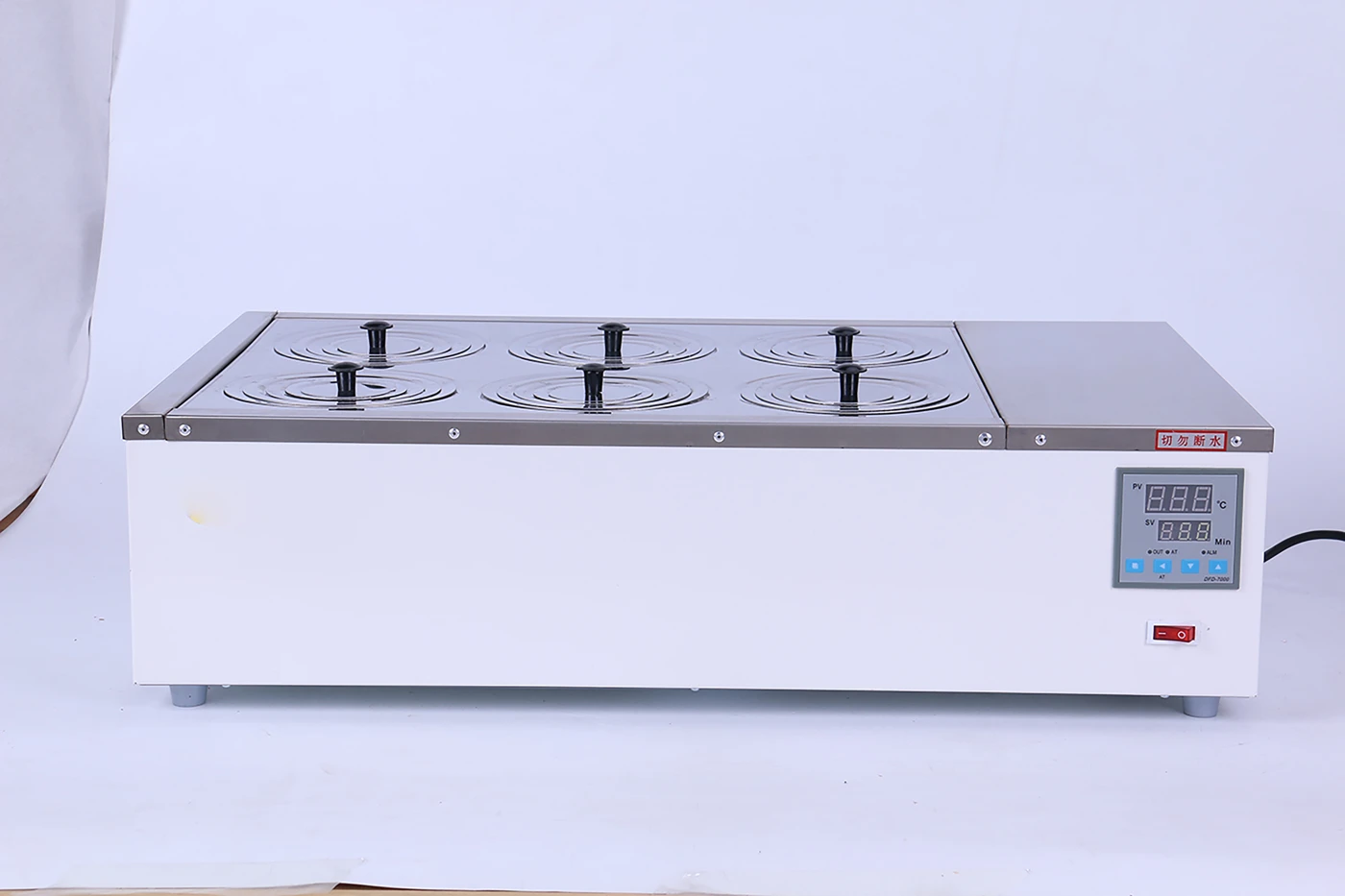
Constant-temperature water-bath treatment of laboratory samples, providing temperature conditions for material tests and analysis.

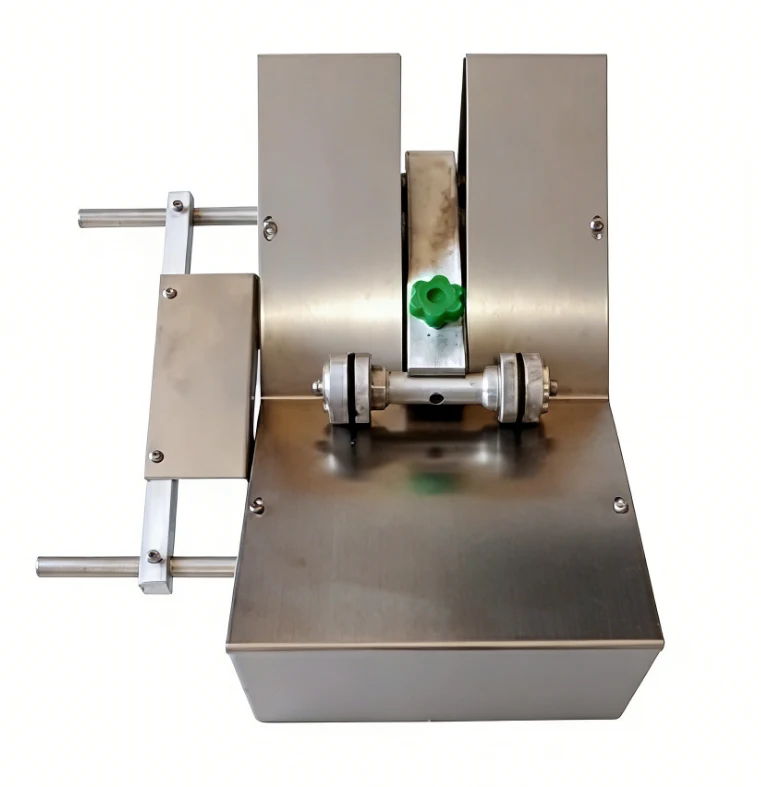
Marks circumferential lines at specified spacing on pipe specimens, supporting specimen preparation for the longitudinal reversion test of thermoplastic pipes.

Tests the degree of crosslinking of crosslinked materials, supplying test equipment for production control and property research.

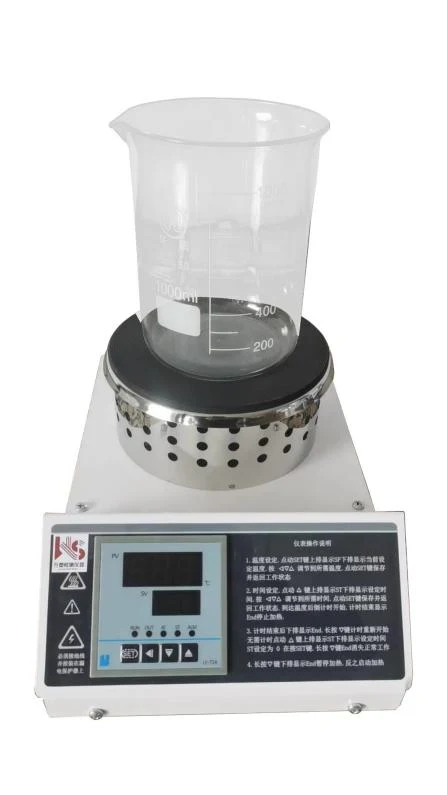
The WS series documents list two configurations, WS-1A and WS-2A, with digital temperature control and an enclosed heating plate. The current documents give parameters of the heating equipment; please contact us to confirm the full configuration and measuring method for water-absorption tests.
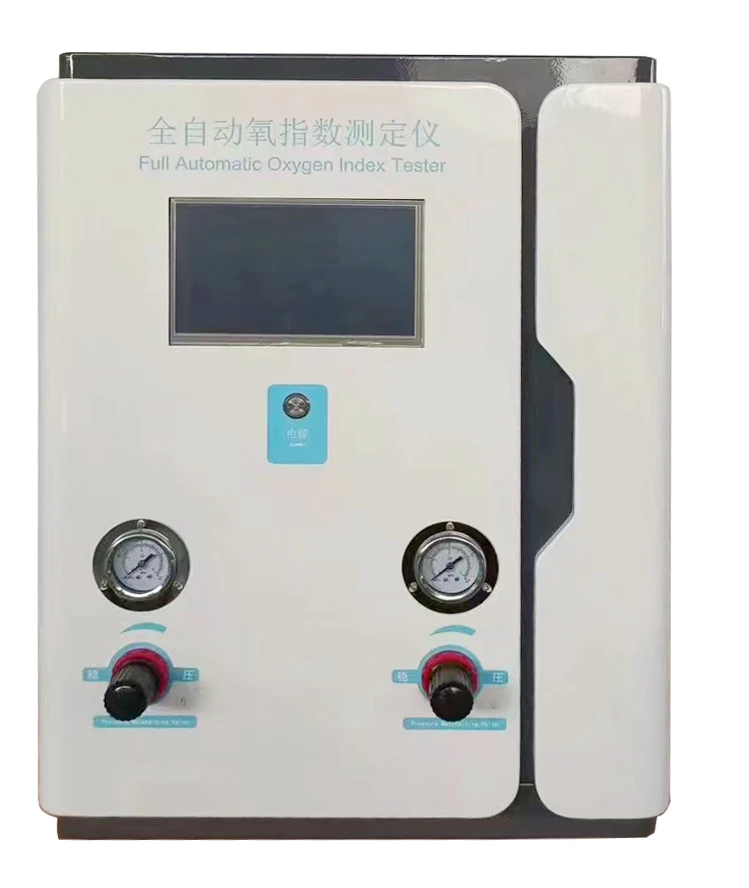
Evaluates the oxygen concentration needed to sustain combustion, for oxygen-index tests and flame-retardancy research on plastics and other materials.
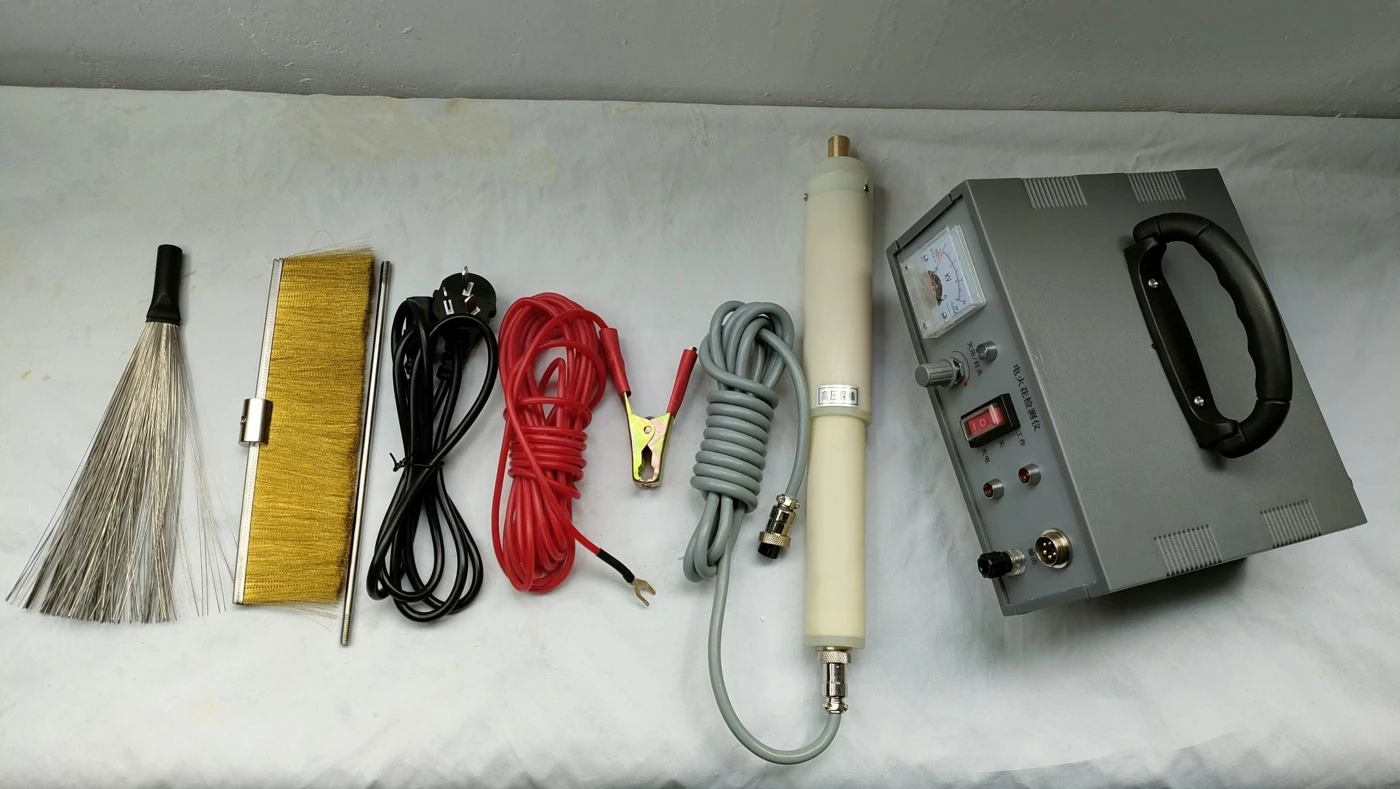
Detects defects in coatings such as insulating and anticorrosion layers, for integrity checks in anticorrosion work and quality inspection.

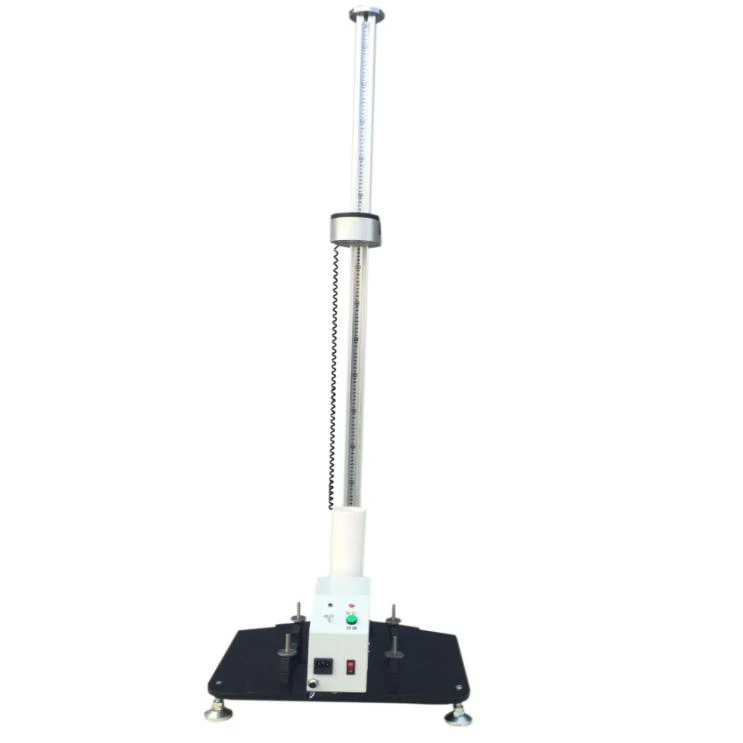
Evaluates the impact resistance of materials by letting a ball of specified mass fall freely onto the specimen.

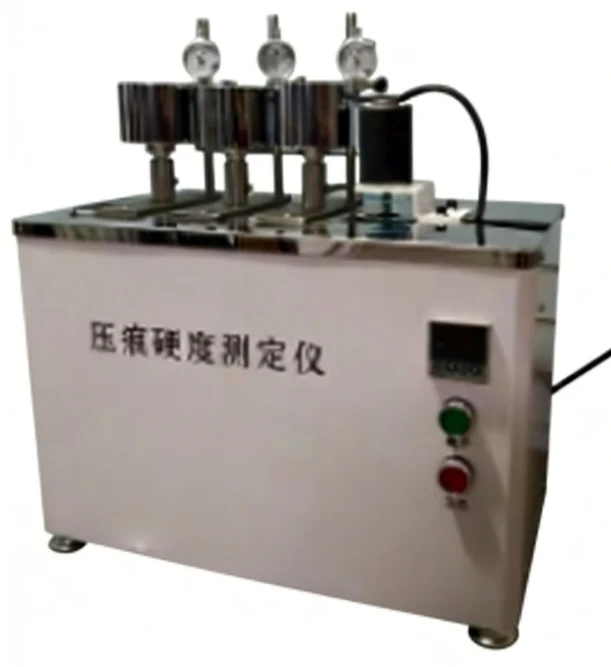
Indentation hardness testing of materials: material properties are evaluated from the indentation under specified loading conditions.

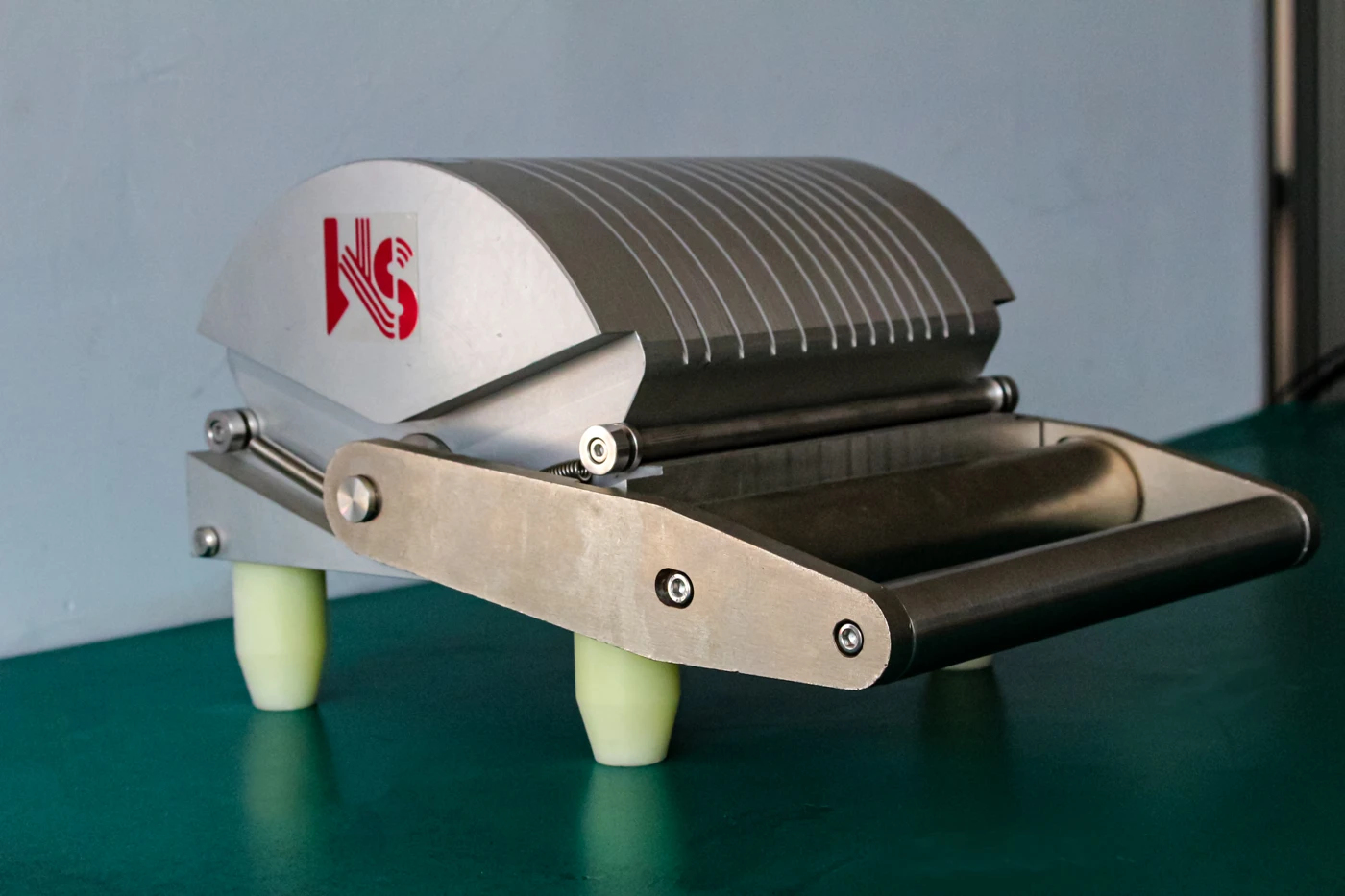
Cuts plastic film specimens, preparing film strips of uniform size for tensile and other tests.

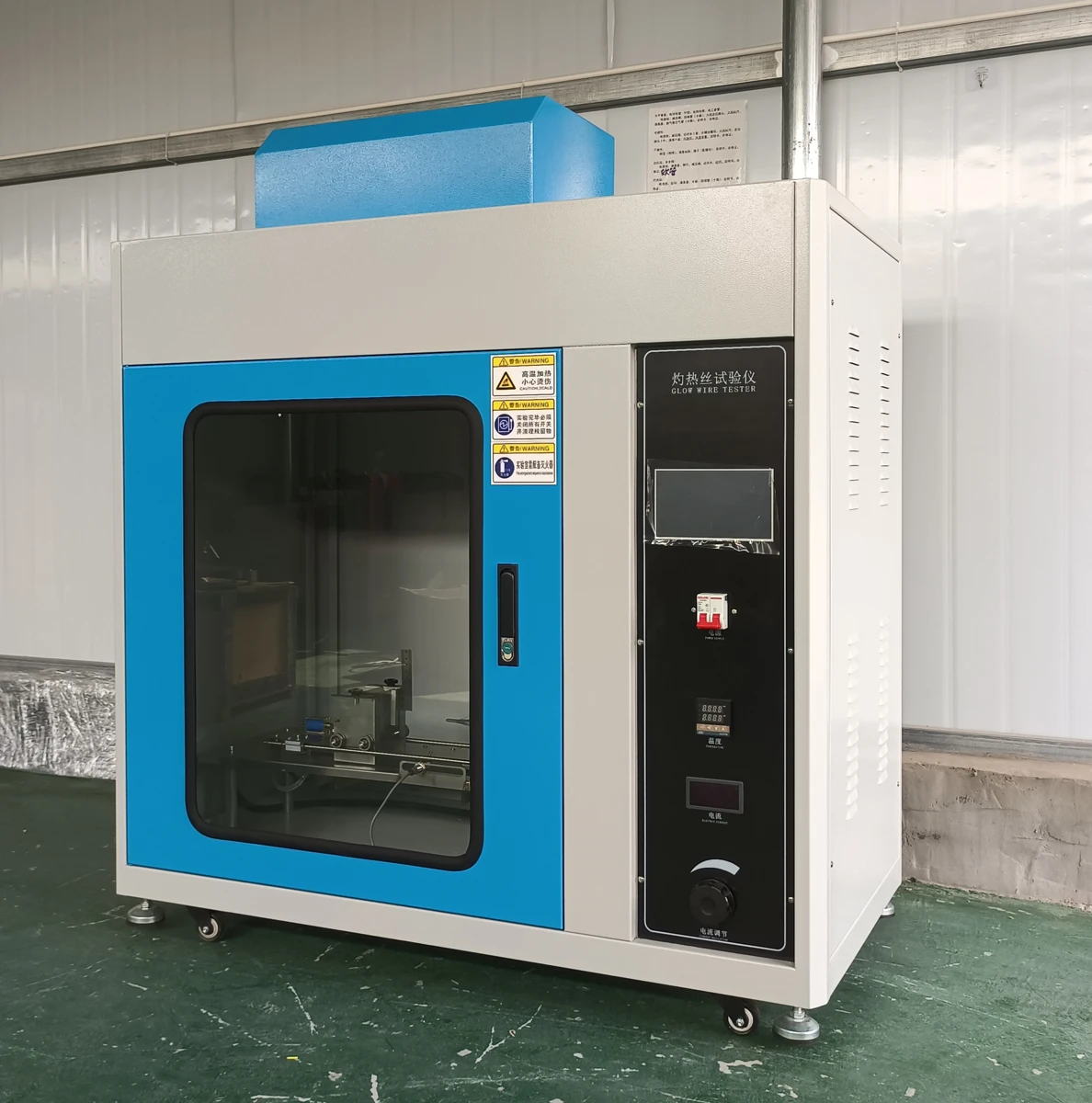
Glow-wire testing of electrical and electronic products and related materials, evaluating ignition hazard and heat resistance under thermal stress.

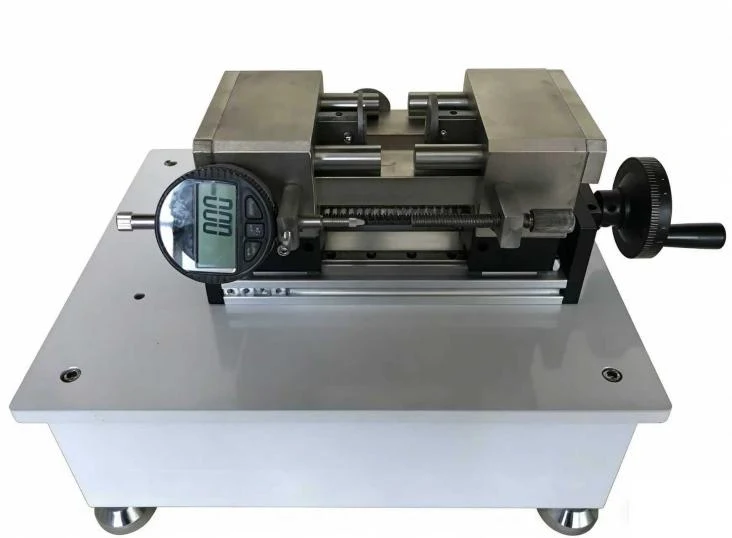
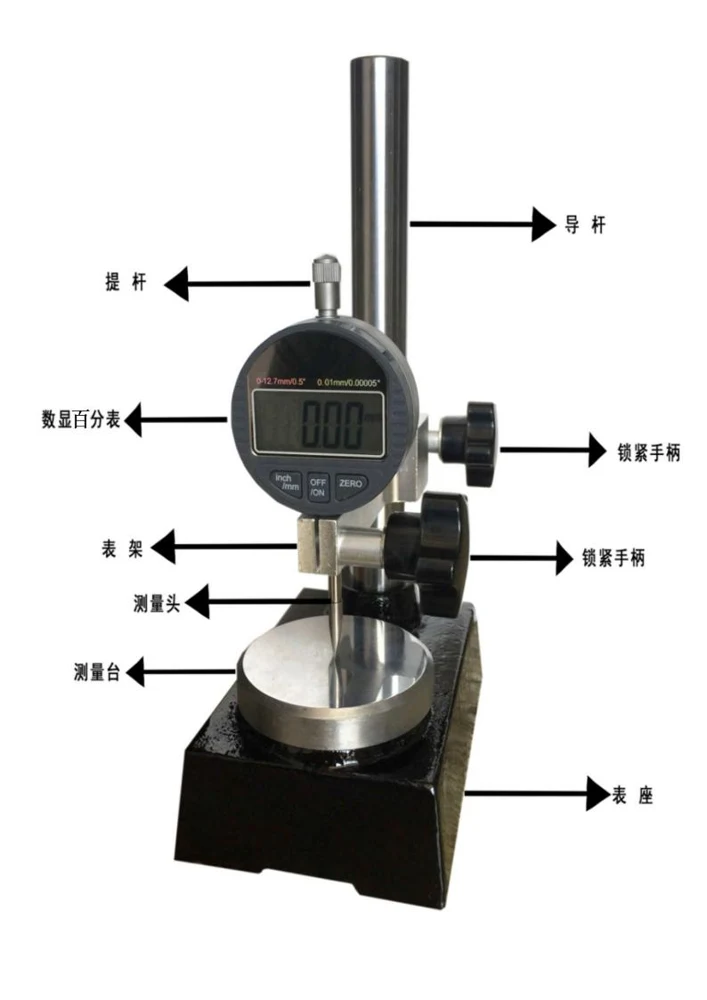
Measures specimen width, thickness and notch depth with a digital dial gauge, for inspecting notched specimens used in impact tests.

Tests the mortar abrasion performance of ultra-high-molecular-weight polyethylene and polyolefin wear-resistant materials, with temperature control and a multi-station test configuration.